“
Throughout our long history, we have consistently demonstrated agility and resilience, qualities that will remain essential as we navigate future
complexities.”
Alain Poncelet
ECOM Chief Executive Officer
Sustainability in figures
Sustainability projects worldwide
150+
Farmers in sustainability programmes
355k+
Sustainability staff at origin
1400+
Map
List
Where we operate
Some key programmes
Our programmes are aligned with international sustainability and regenerative agriculture standards and certifications in various origins, covering the 3 pillars of sustainability (social, environmental and economic). Click on the map to explore some of our different sustainability programmes and initiatives around the world!
Projects
Coffee, Cocoa and Climate Change Project

 2020-2023
In Nicaragua, in partnership with GIZ, this programme was designed to improve the productivity of smallholder farms. The project saw 100,000 coffee and cocoa trees planted, and 320+ producers were trained in good agricultural practices.
Discover more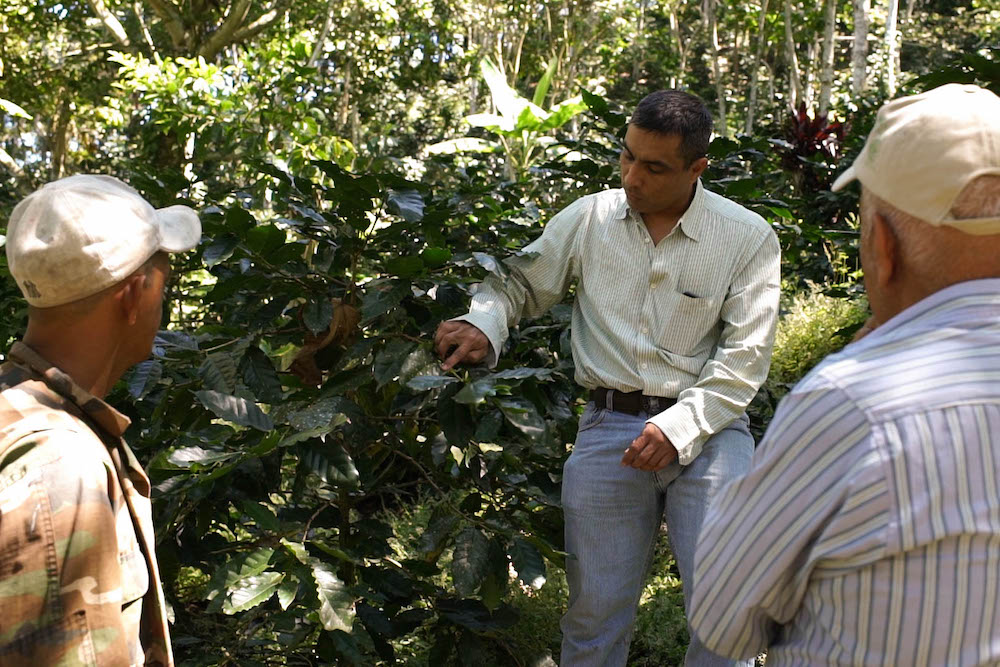
Projects
MOCCA
2020-2023
In Peru, MOCCA (Maximising Opportunities in Coffee and Cocoa in the Americas) supports >18,000 coffee and cocoa producers in the Amazonas, Cajamarca, San Martín and Central Jungle regions to increase their productivity. ECOM Peru and SMS are now looking to expand our activities to new regions of Peru.
Discover more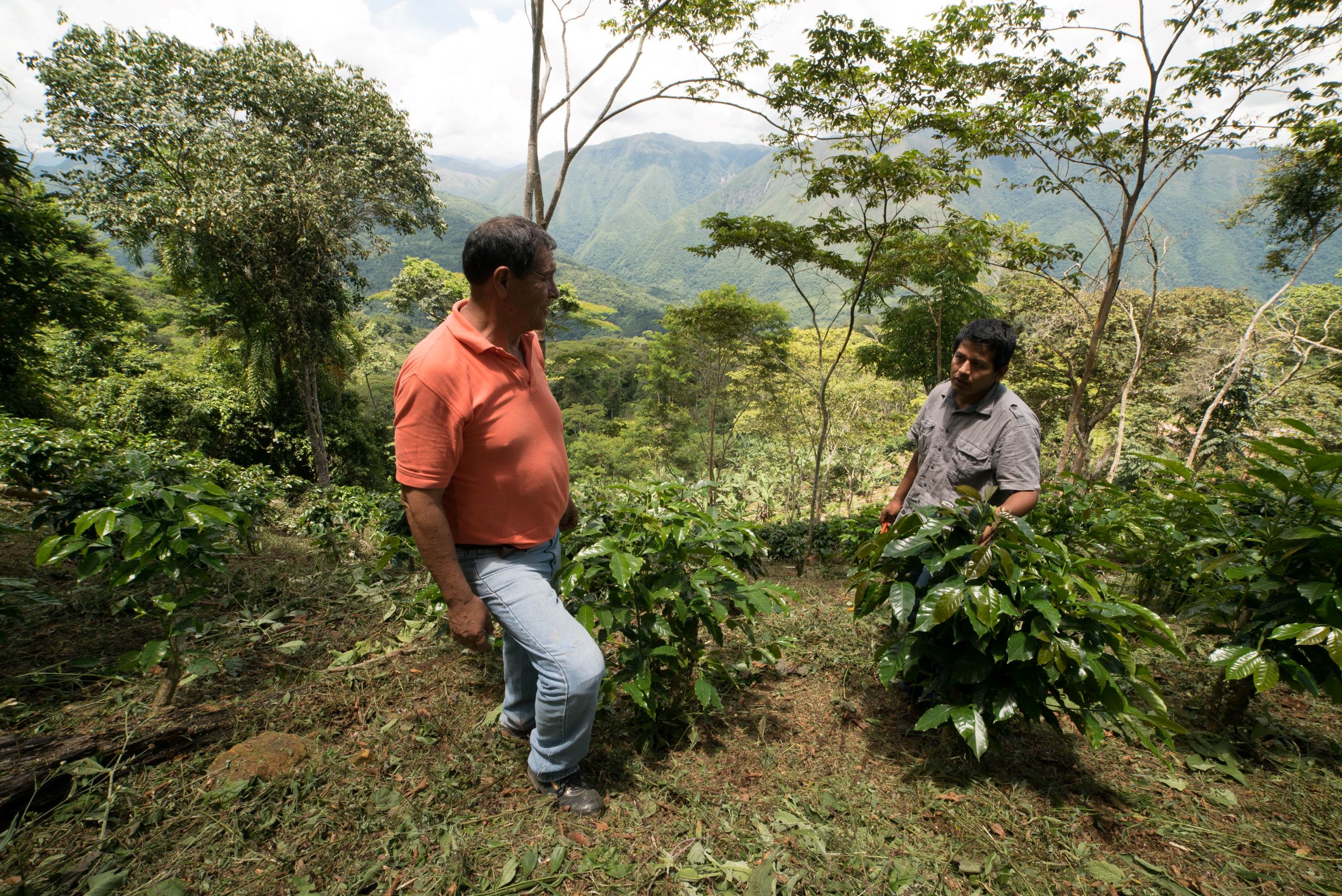
Projects
Smallholder Farmer Livelihoods
 2023-Present
Through the Uganda Smallholder Farmer Livelihoods Initiative, we work with USAID to increase coffee and sesame exports from Uganda. By the end of 2023, 10,836 farmers (6,811 men, 4,025 women) were onboarded to the export market.
Discover more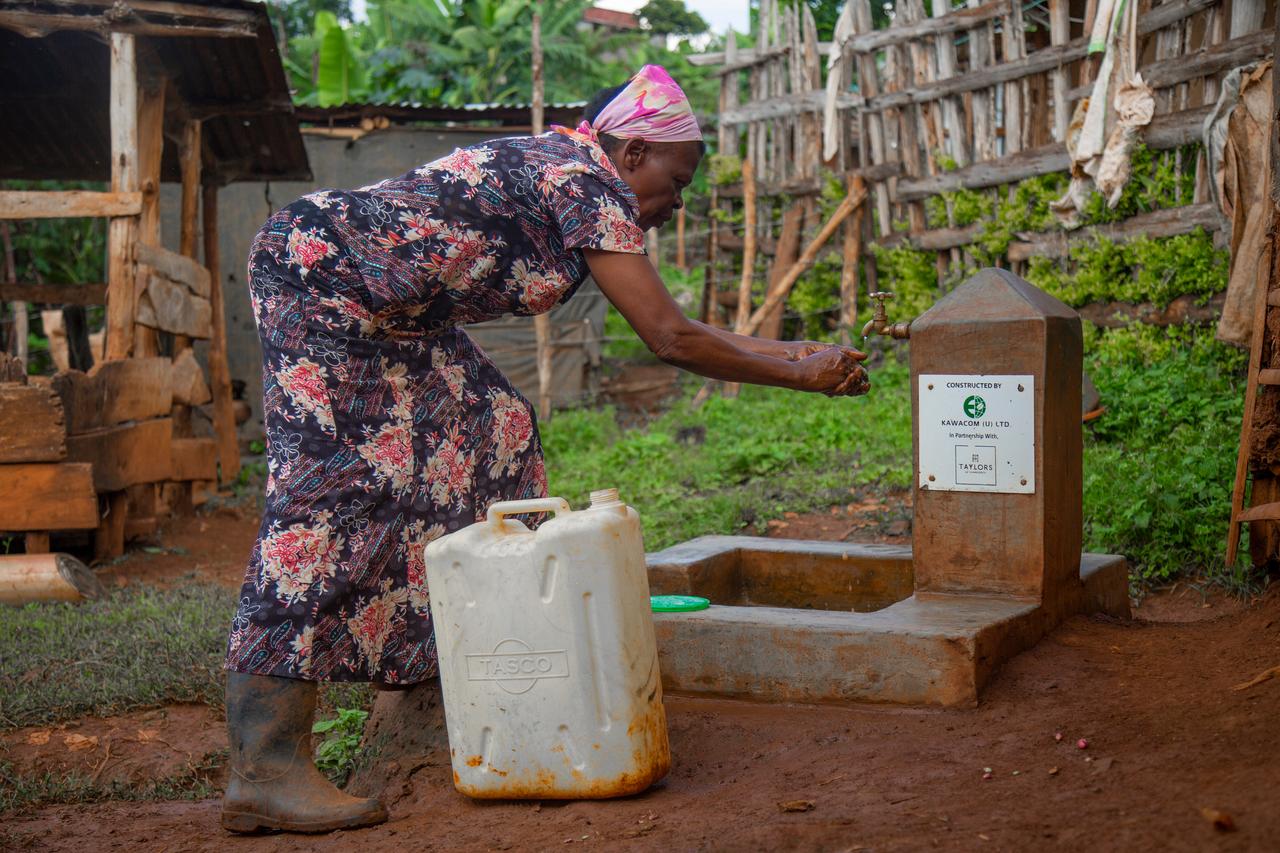
Projects
VSLAs
2023
In Ghana, we promote the use of VSLAs (Village Savings and Loans Associations) in cocoa-growing communities. As of September 2023, 52 VSLAs had been set up in 36 communities with 1,283 women. In total, the VSLAs have collected $66,049.82 in savings to date (~$1,270 per VSLA) and disbursed $42,284.39 in loans for their members ($813 per VSLA).
Discover more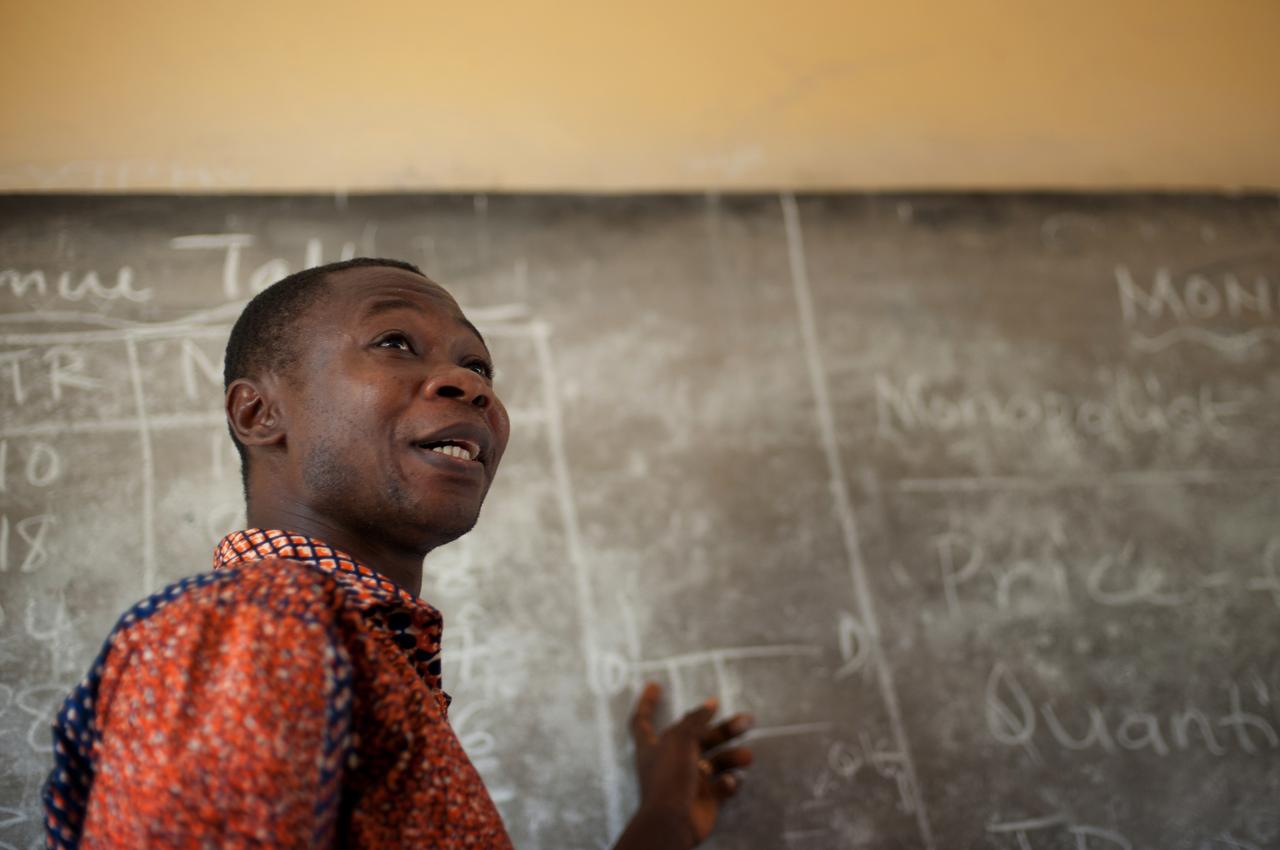
Projects
Financing growth
2023
In Vietnam, our SMS team partnered with IDH Farmfit Fund to provide access to inputs through affordable finance. The program successfully reached 493 coffee farmers in 2023. Our aim is to expand the scheme into a self-sufficient business, supporting more farmers to develop sustainable businesses.
Discover more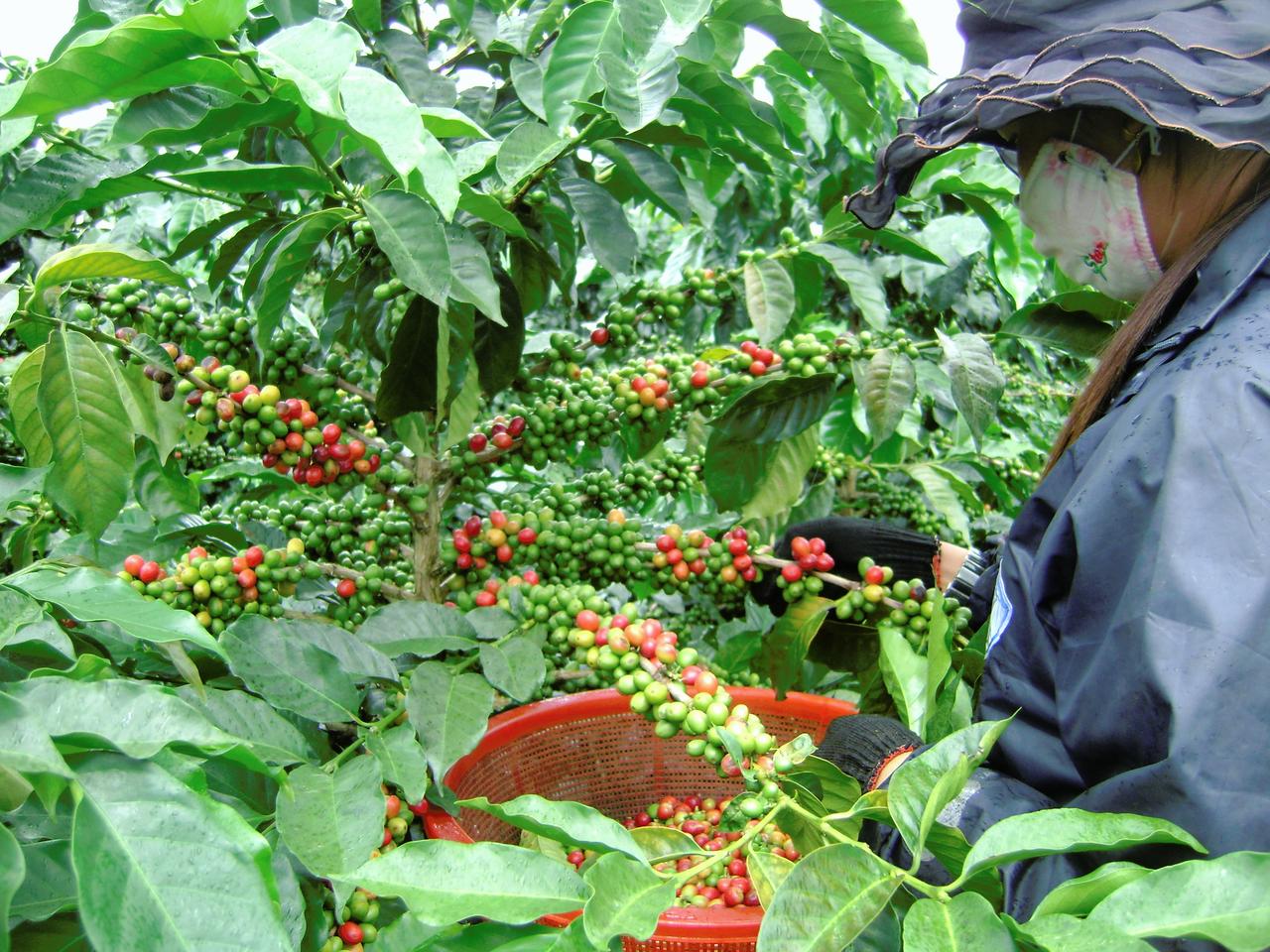
Projects
Market systems for cocoa farmers' income
2020-2023
In Côte d’Ivoire, Ghana, and Nigeria, we worked with BMZ and develoPPP to improve and diversify farming households’ incomes. We have supported 5,000 farmers by diversifying crops and supporting the marketing of their products.
Discover more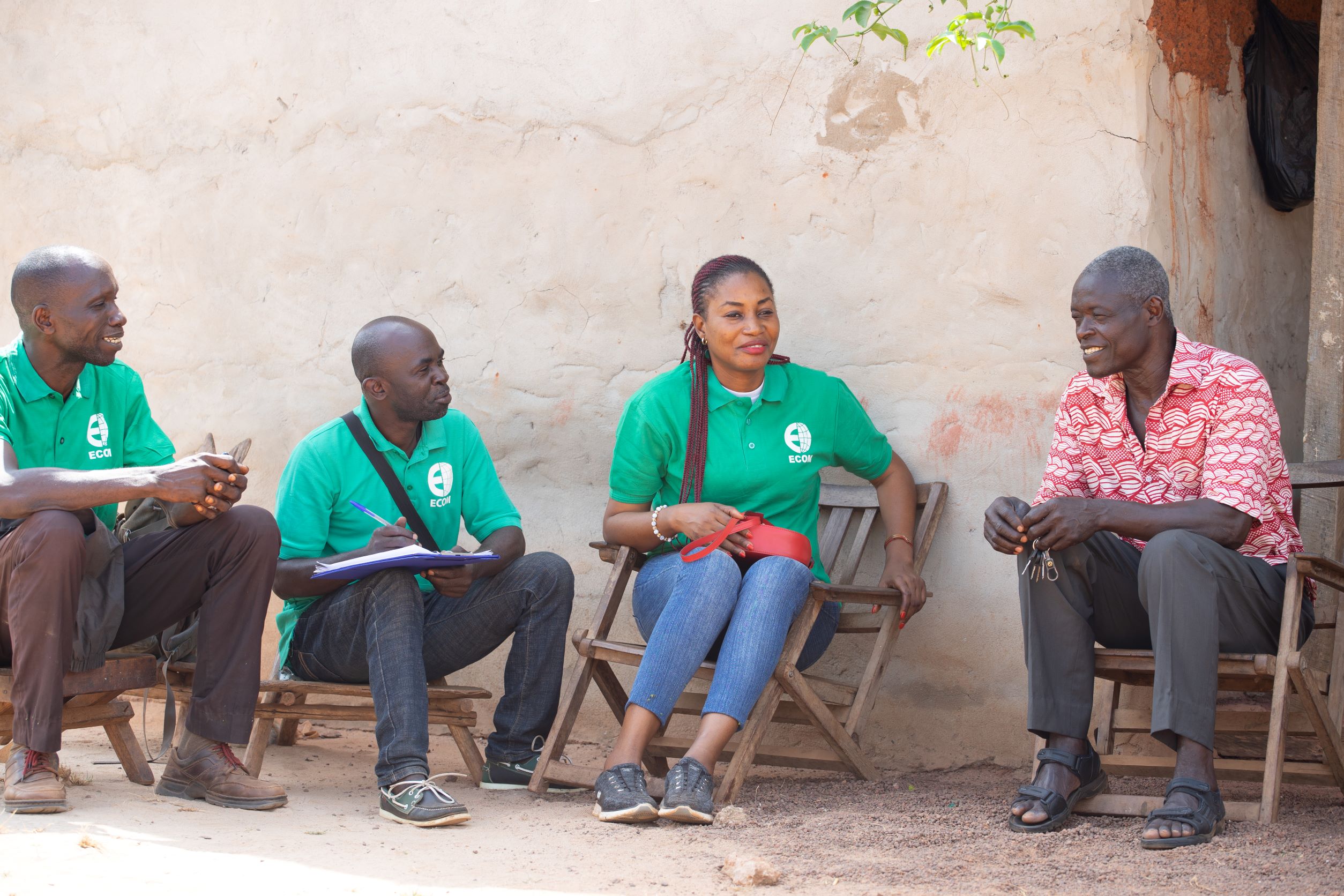
Projects
ECOM Foundation's Satellite School
2022-Present
In El Salvador, the ECOM Foundation supports education for children and adults in farming communities. The San Andres School in Apaneca, for instance, opened in 2022 with 360 students. By 2023, it grew to 418 and had a 95% attendance rate.
Discover more
Projects
Helping rebuild Mexico’s cocoa industry
2014
In Mexico, we provided over 1,000 producers with cocoa varieties that offer higher resistance to disease, supporting increased production. We also assist producers in cultivating these varieties, strengthening both their earnings and the future of Mexican cocoa.
Discover more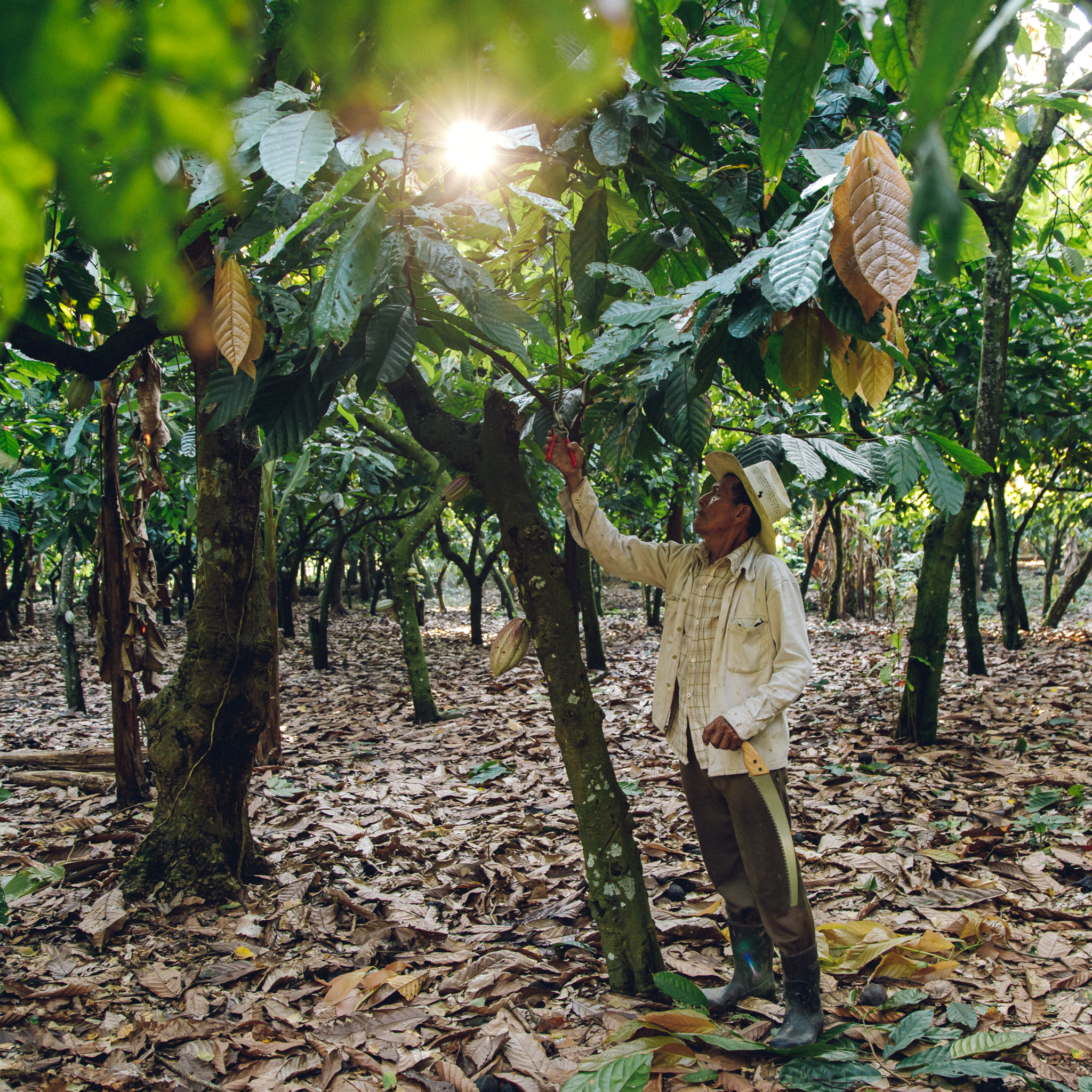
Projects
Gender equity in cocoa
2020-2023
ECOM Ghana partnered with USAID to promote gender equality in the cocoa value chain. Together, we piloted gender mainstreaming across our operations, training staff and cocoa communities on inclusive farming. While this programme is currently specific to Ghana, we hope to adapt it in our other origins.
Discover more
Projects
Bosques del Mañana
2021
In Nicaragua, ECOM and Nestlé launched the Bosques del Mañana (Forests of Tomorrow) project, planting 2,600,315 trees. The project's impact has been felt in various regions, from Wiwilí to Nueva Guinea, generating environmental benefits and fostering community engagement.
Discover more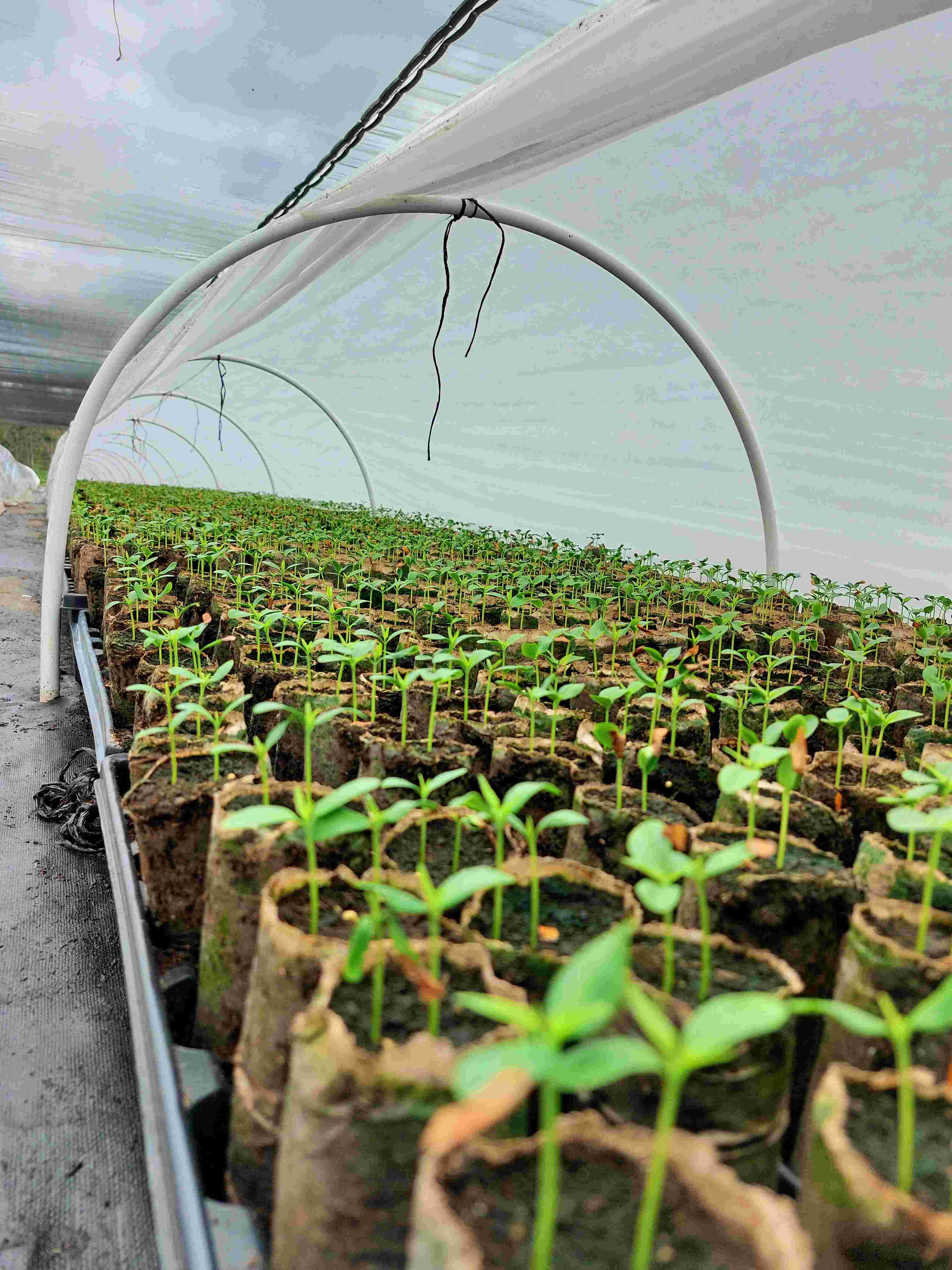
Projects
The Akawa Project
2016-Present
In Burundi, we launched the Akawa project to help farmers reach financial autonomy beyond coffee production. With >11,000 farmers involved, the project includes training Leader Farmers in Good Agricultural Practices (GAPs) and gender empowerment initiatives.
Discover more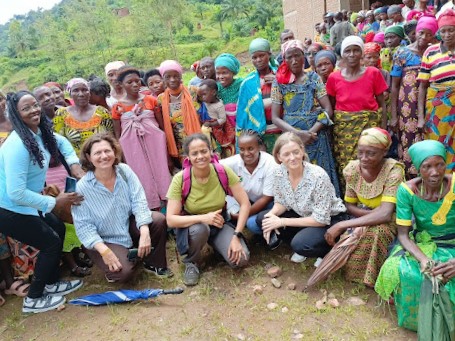
Projects
Ethiopia's coffee supply chain
2022-2024
In Ethiopia, one of the world’s largest coffee-producing countries, ECOM and GIZ are working to strengthen human rights and sustainability. So far, 200 farmers in Jimma have adopted the ECOM SMS Code, while 125 farmers in Illubabor have been trained in good agricultural practices and business management.
Discover more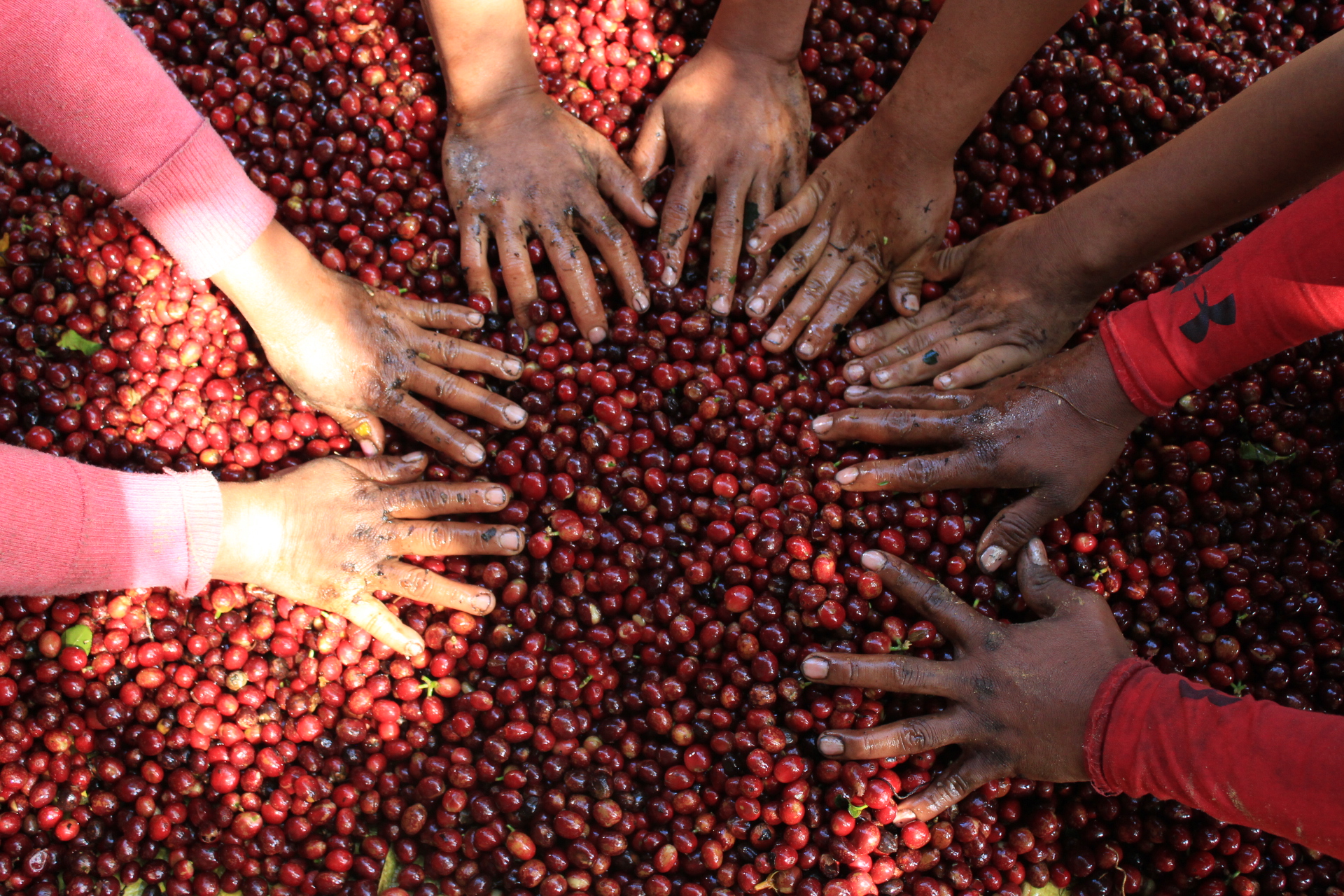
Projects
Alianza de Sueños
2022-Present
In Costa Rica, we work with Nespresso on Alianza de Sueños (Dream Alliance) to prevent child labour during coffee harvests. The 1st Casa de Alegria (House of Joy) opened in 2022 with 30 children, growing to 3 Casas supporting 120 children and their families in 2023, with similar schemes in Nicaragua and Guatemala.
Discover more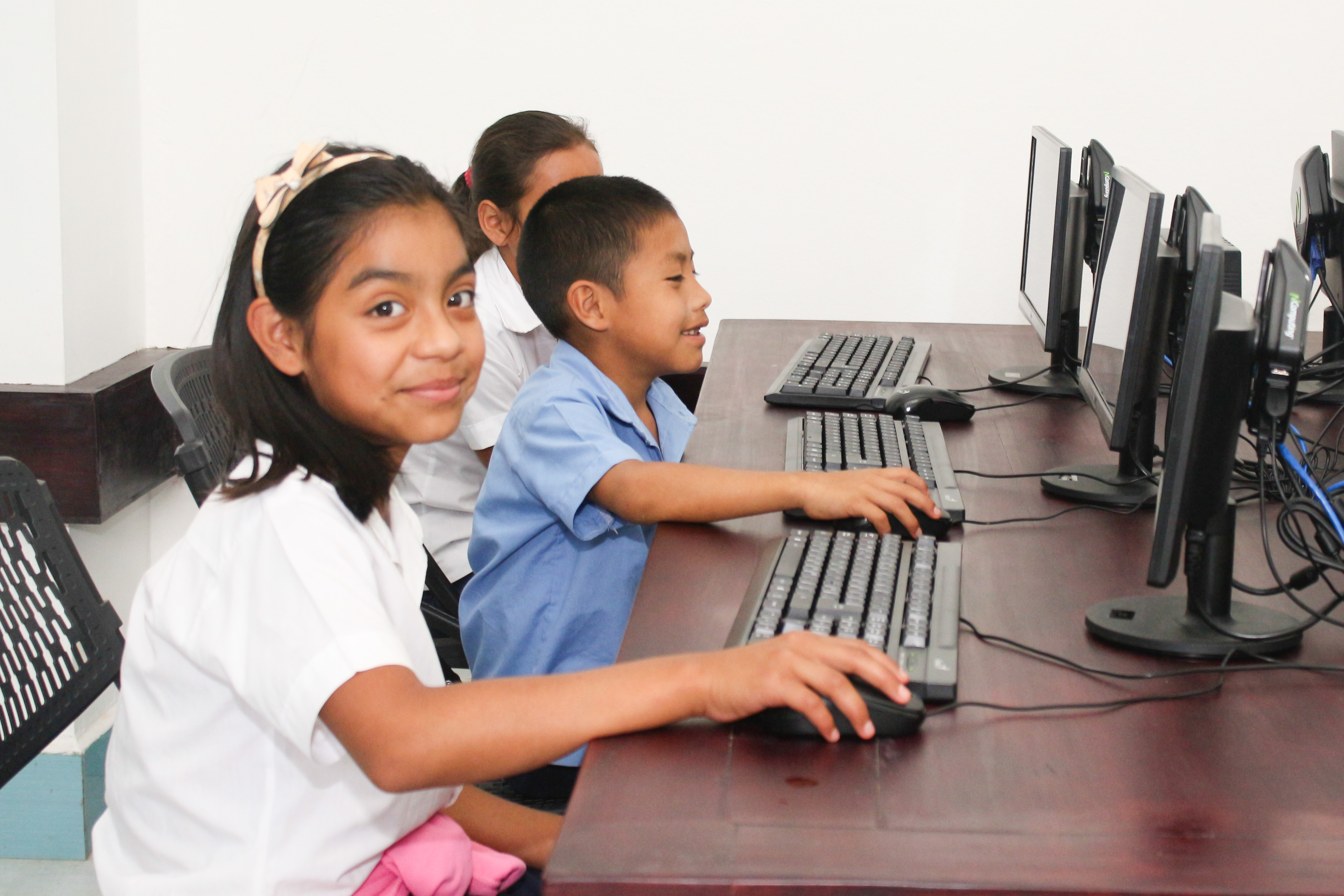
Projects
Growing the ‘Fruits of Restitution’
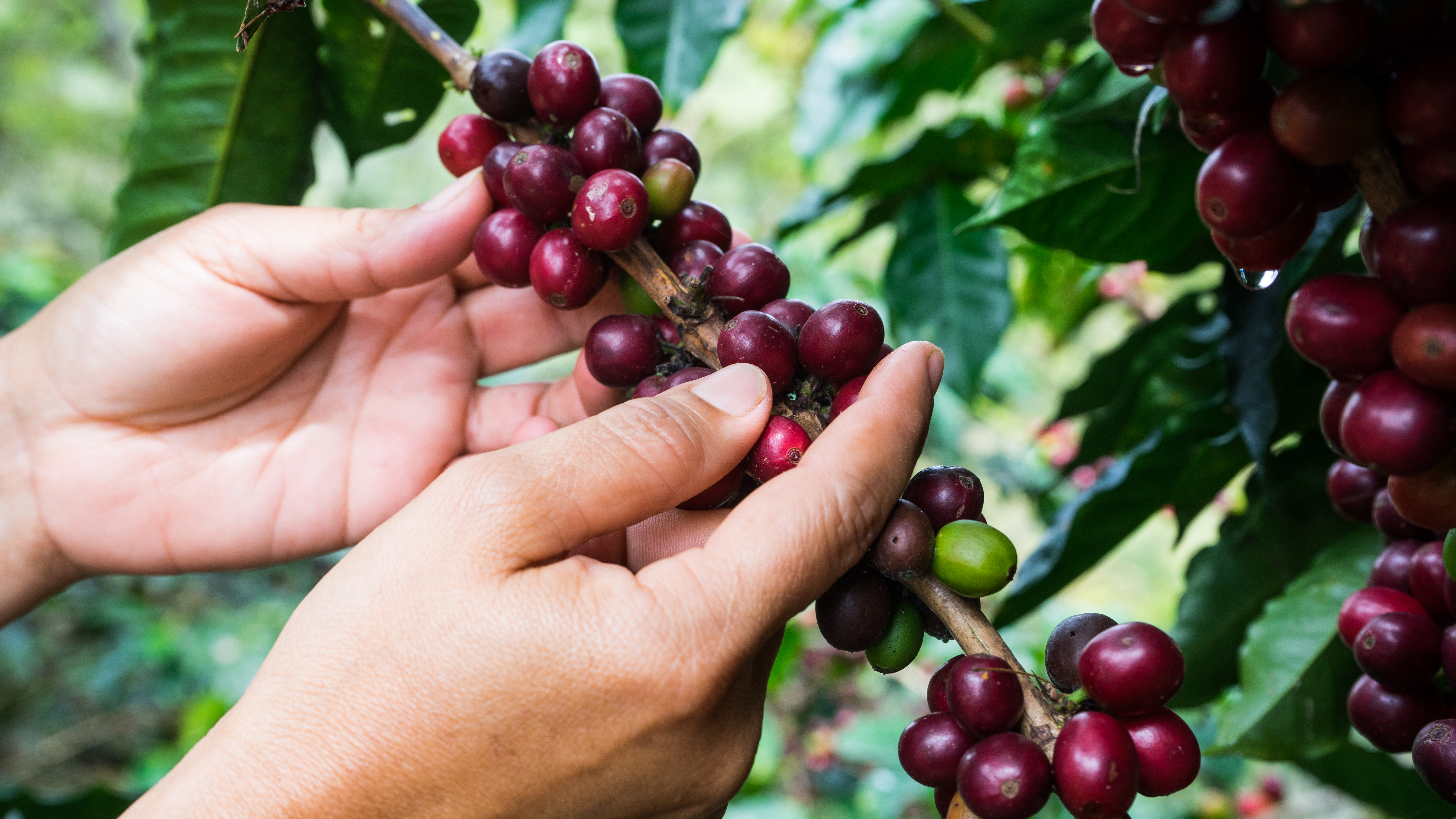
In Colombia, we partner with the Land Restitution Unit (URT) to support farmers displaced by conflict, helping them to grow and market high-quality specialty beans. URT describes the coffee from these families as the ‘Frutas de Restitucion’ (the ‘Fruits of Restitution’).
Projects
Building climate resilience
In Vietnam, we are improving the climate resilience of the Robusta supply chain in 2 main producing provinces by implementing soil conservation practices such as providing organic fertilisers, soil amendments, and cover crops. To date, 4,000 farms have also been provided with soil analysis.
Discover more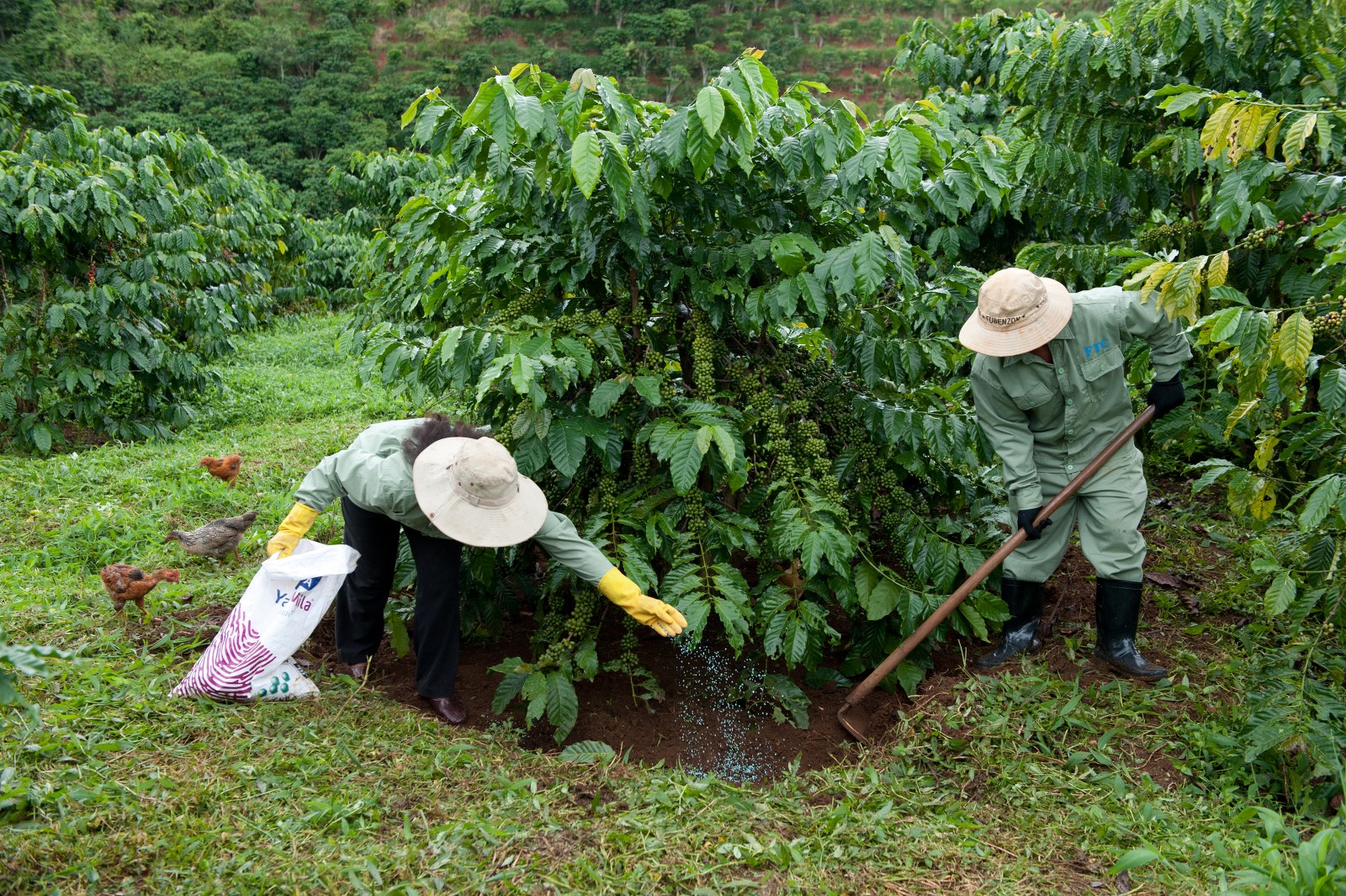
Projects
Applying regenerative agriculture
In Brazil, our Solo Verde project supports the transition towards more regenerative soil management practices by distributing cover crops to producers. The project is now aiming to triple its area and reach >3,000 hectares of coffee plantation.
Discover more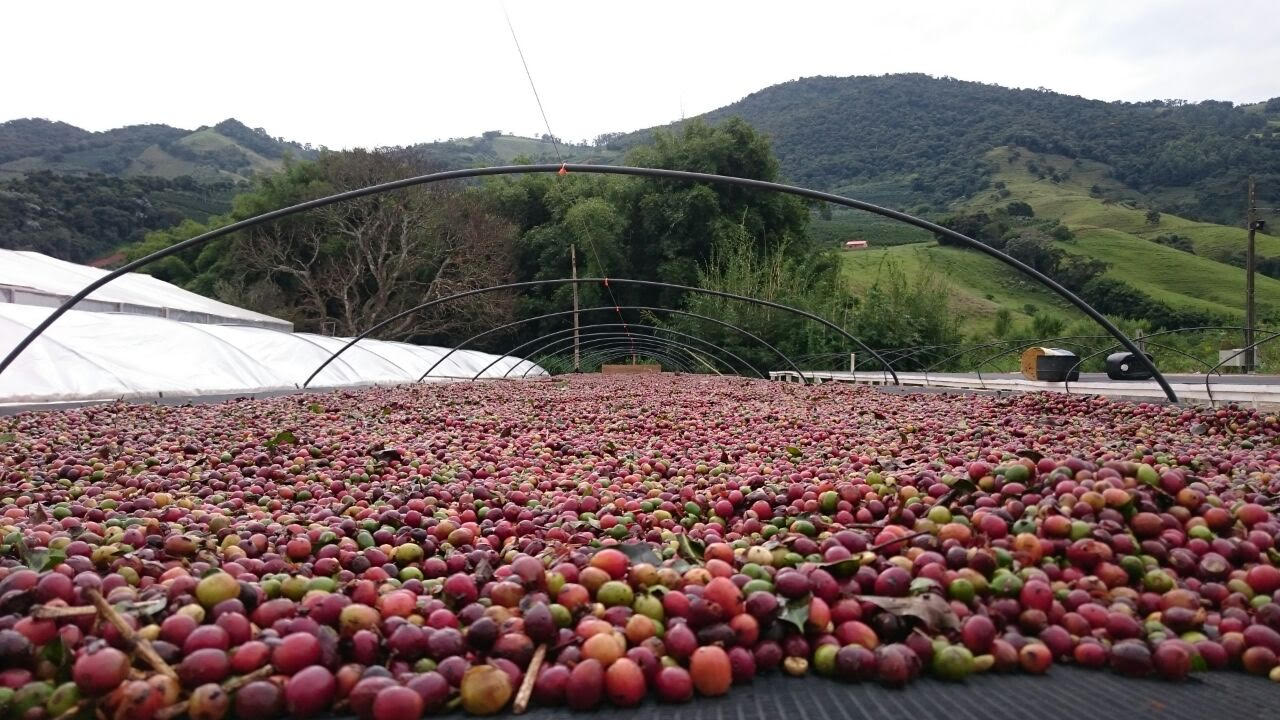
Projects
regenagri®
In Brazil, the coffee growers we partner with have committed to regenagri®, an international regenerative agriculture programme. This way of farming improves soil fertility, stores atmospheric CO2, and improves water and energy management. The initiative aids in regenerating farmland, securing a sustainable future for agriculture.
Discover more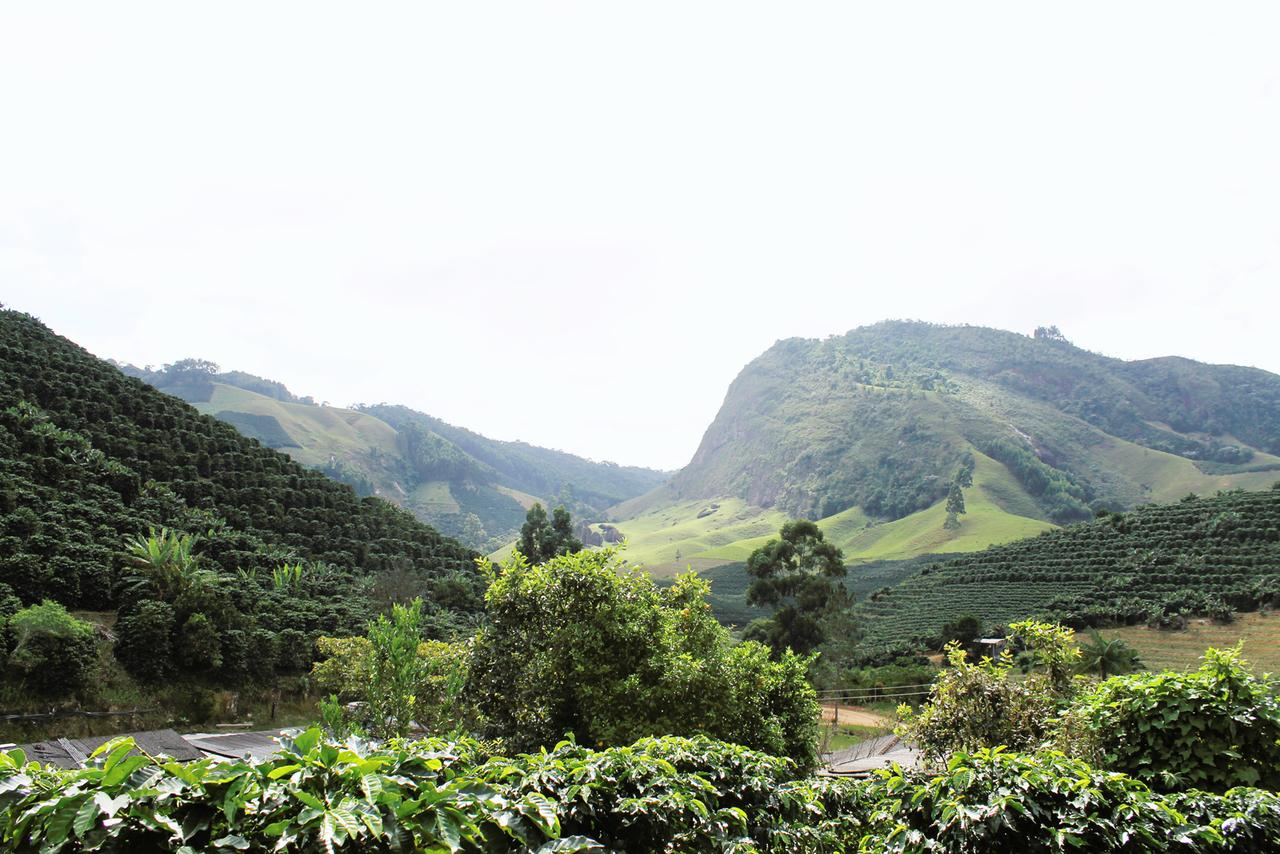
Projects
Regenerative cotton
 2022-Present
In Mexico, our regenerative cotton program, with 46 producers across 14,000 hectares, produced 27,000 bales in 2023, earning the country's 1st regenerative agriculture certification. As part of our commitment to growers, we're extending our services across Mexico.
Discover more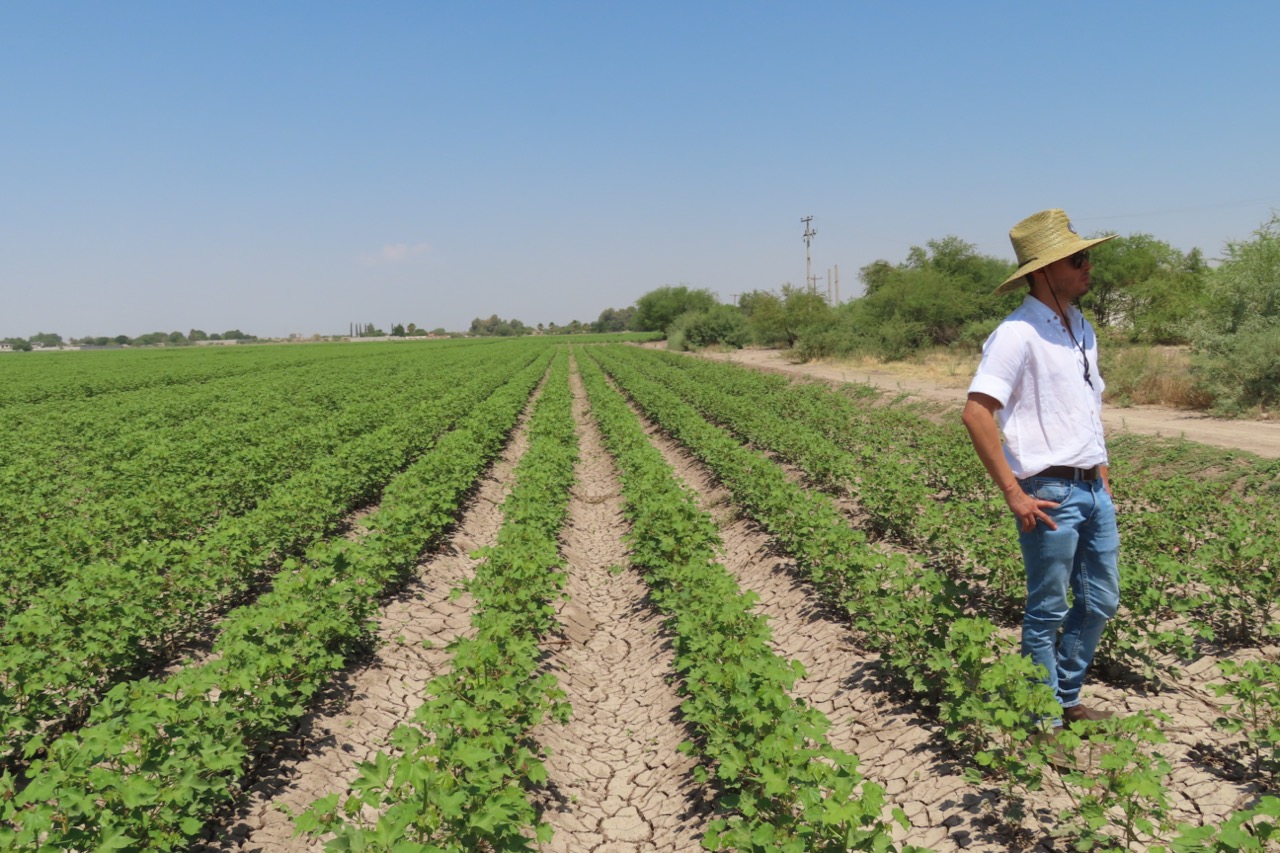
Projects
Evaluating biodiversity risks
In Ecuador, ECOM worked with Nature-based Insights (NbI) and Reckitt to assess biodiversity and land risk for sustainable cocoa production. NbI uses geospatial data from 16 layers to rank areas by risk, helping us identify what land to farm and what land should be conserved.
Discover more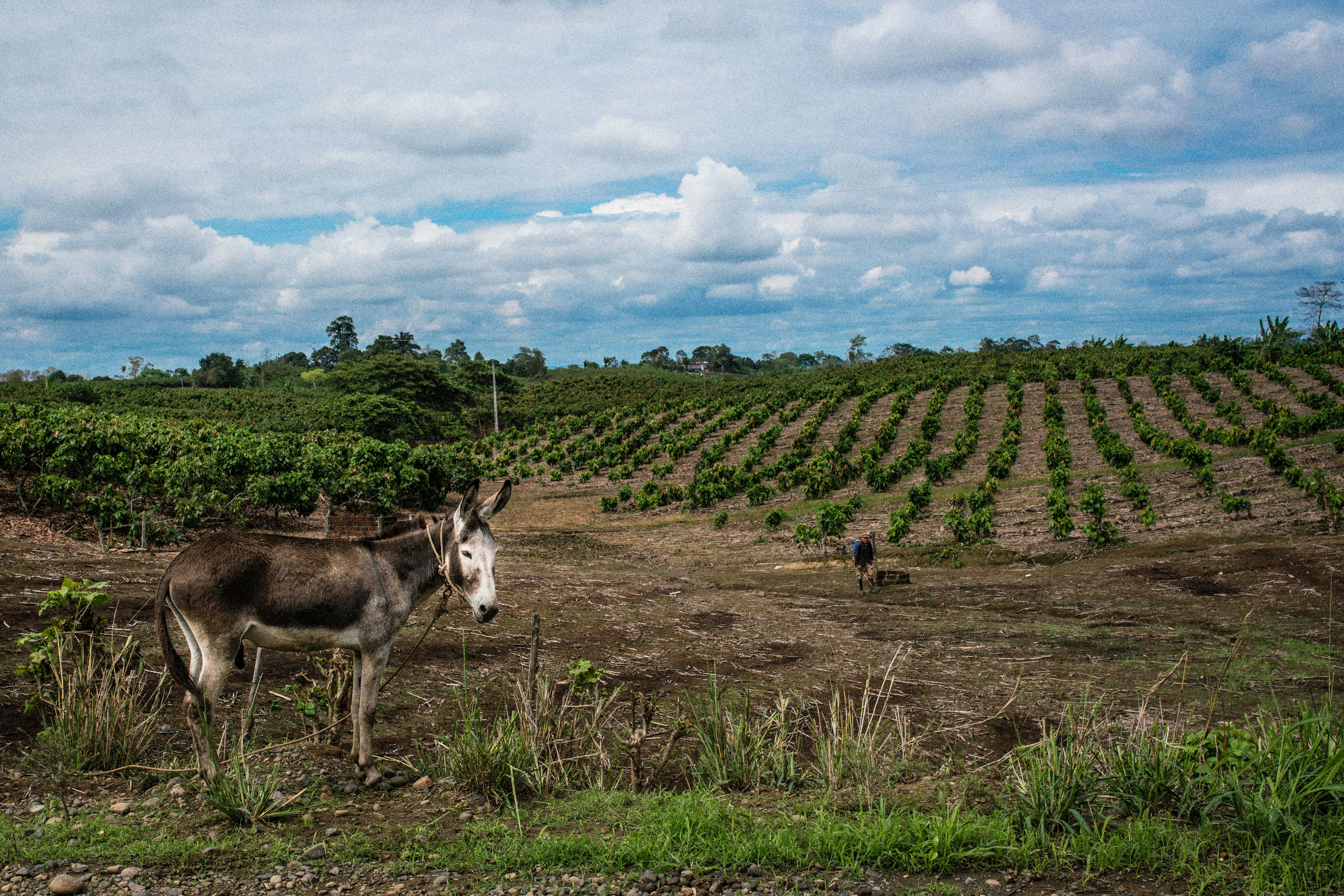
Projects
Keeping bees for better coffee
2023
In Brazil, our SMS Bee Project with Nespresso encourages coffee farmers to become beekeepers, as bees are key in maintaining biodiversity while enhancing coffee production. Starting with 5 growers in Minas Gerais and the Cerrado, the project grew to 11 producers in 2023, each averaging 2,000 kilos of honey annually.
Discover more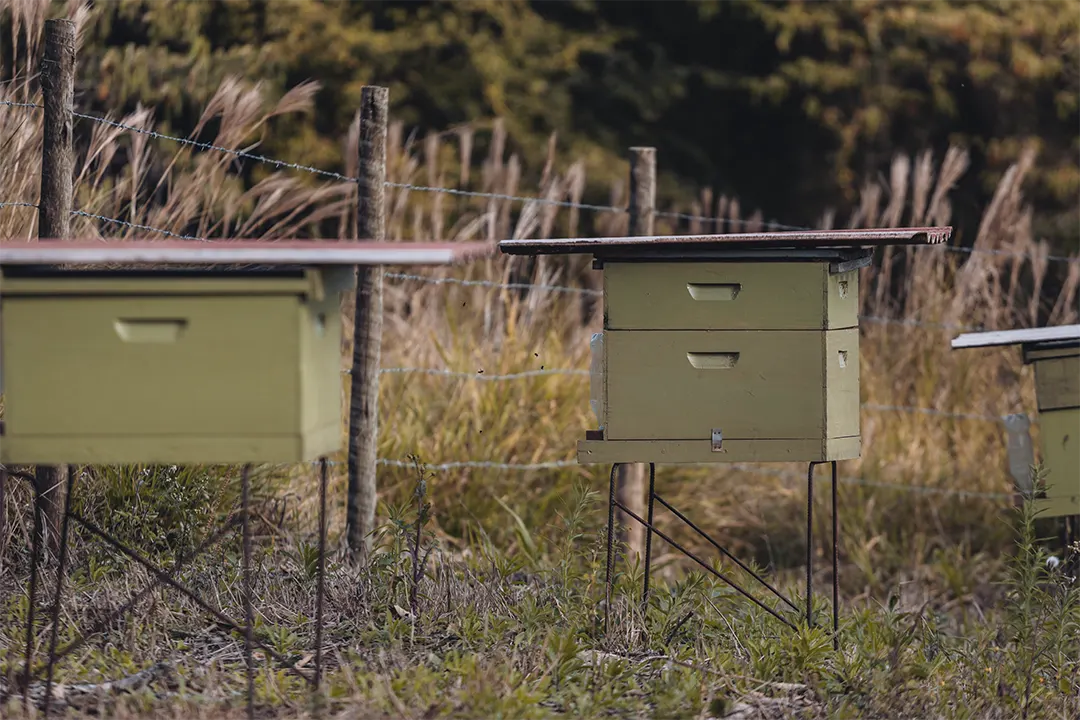
Projects
100 million trees
2016-2025
In Guatemala, El Salvador, and Mexico, ECOM and Starbucks launched the One Bag, One Tree program, donating a coffee plant for every bag of coffee sold to help renovate coffee farms. To date, >28.75 million plants were delivered in Mexico, with around 4.1 million supplied to 8,200 producers annually. The initiative now targets 100 million replacement trees by 2025.
Discover more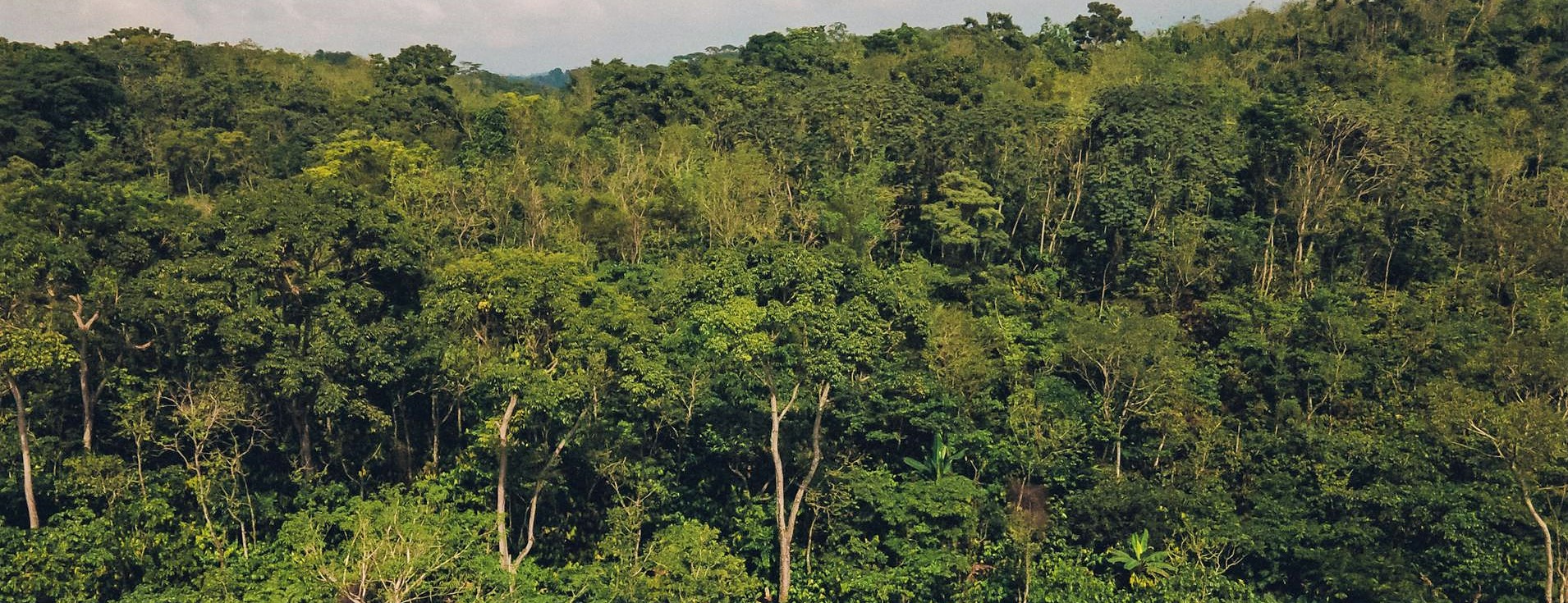
Projects
Weeding out problem plants
2023
In China's Simao District, 36 coffee farmers received training in Integrated Weed Management, organised by Pu’er Tianchen Coffee Ltd and Rainforest Alliance. The training covered weed-soil interactions, ecological impacts of herbicides, and sustainable weed control methods in coffee farming.
Discover more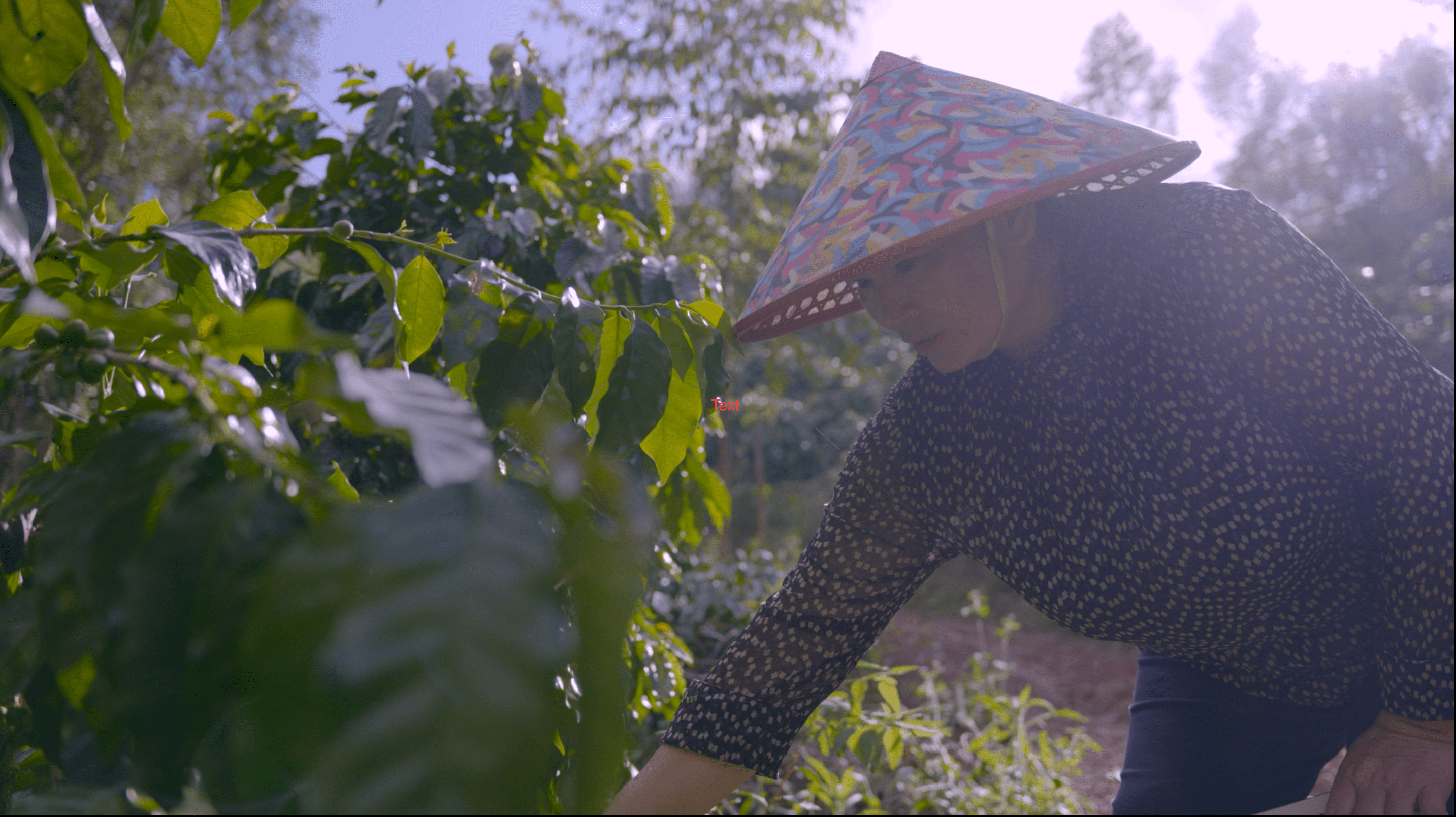
Projects
Organic solutions for soil management
In Nicaragua, our SMS team developed 2 organic soil enhancers from coffee processing by-products: SMS compost and SMS Biol. Both innovations are being registered for commercial use, with plans to scale compost production to process all coffee pulp produced.
Discover more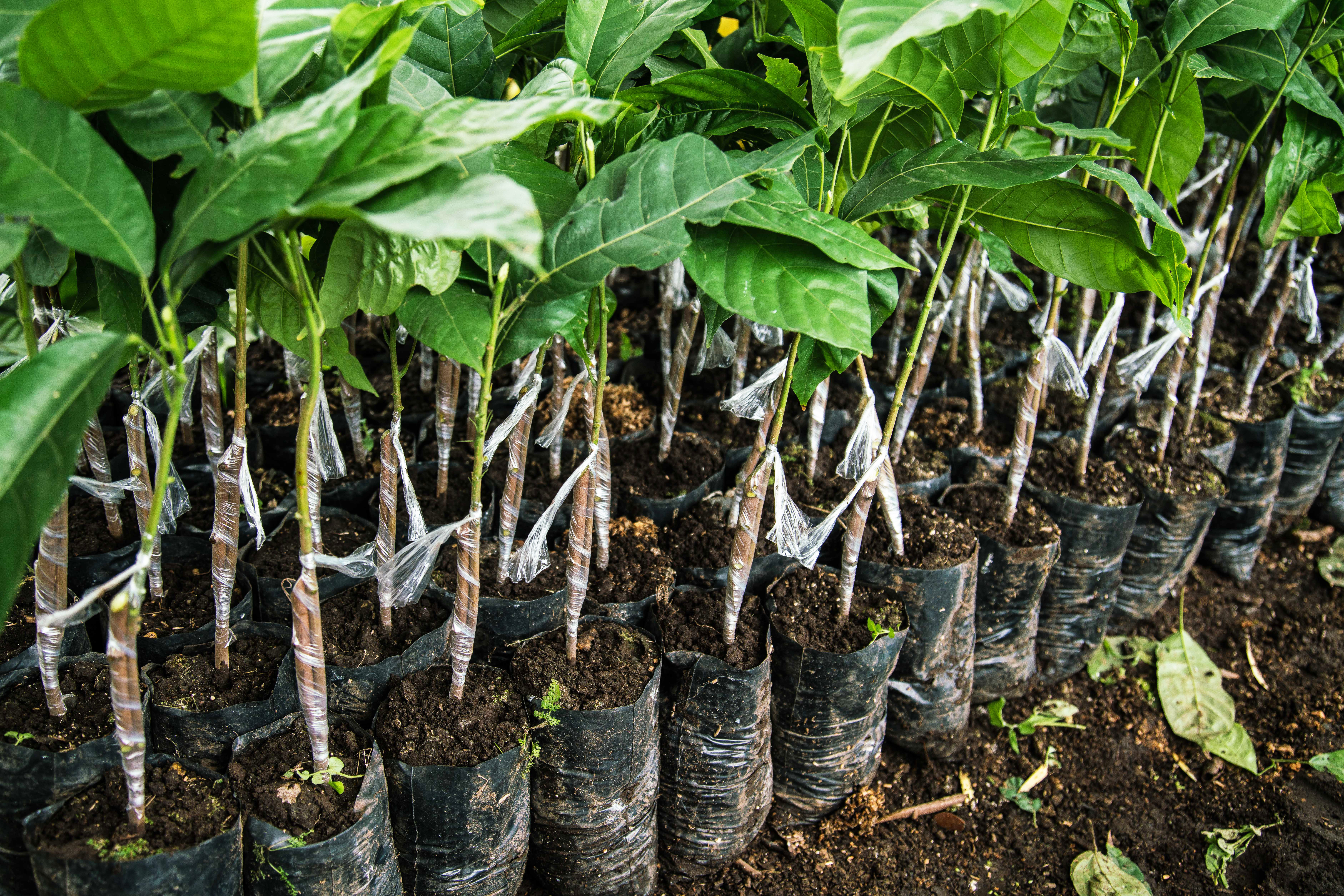
Projects
Climate-resilient coffee
In Nicaragua, our Agritech lab partners with CIRAD to develop coffee varieties better adapted to climate change, showing 30–50% higher productivity than conventional types. The ECOM SMS team also runs a 3 million-capacity nursery using pioneering technologies to grow climate-resilient plants with average yields of 2–3 tonnes per hectare.
Discover more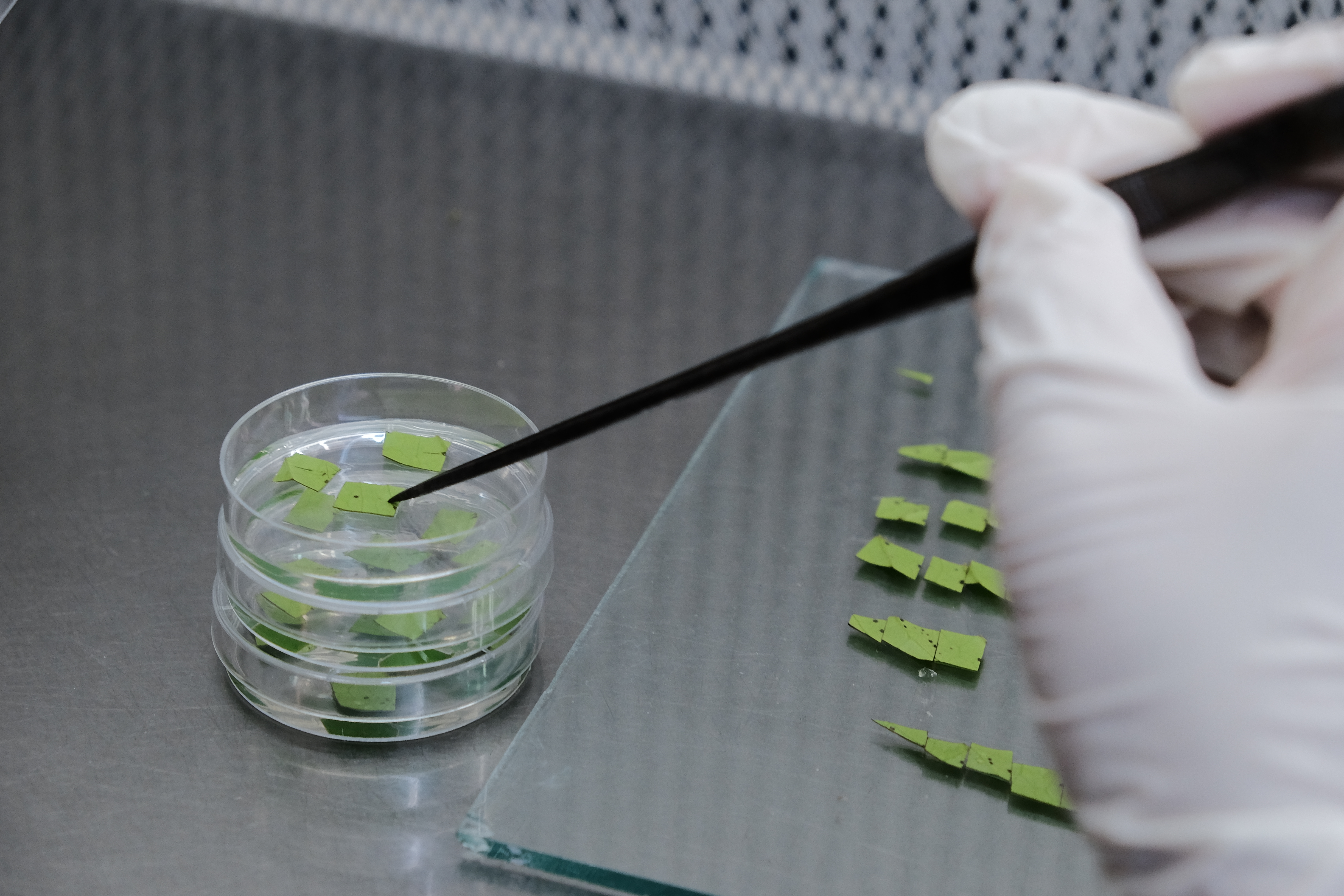
Projects
Regenerating cocoa farms
2023
In Nigeria, where many cocoa trees are over 50 years old and unproductive, ECOM has established a central nursery to provide farmers with new seedlings. In early 2023, over 100,000 hybrid cocoa seedlings were planted and 95,500 distributed, while a similar nursery in Mexico produces 500,000 cocoa and agroforestry trees each year.
Discover more
Projects
Converting waste into a 'carbon sponge'
In Brazil, ECOM and NetZero have built a biochar factory to turn waste into a ‘carbon sponge’, boosting coffee productivity, cutting fertiliser use, and storing carbon. With an annual capacity of over 4,000 tons, it can treat 1,200 hectares of farmland.
Discover more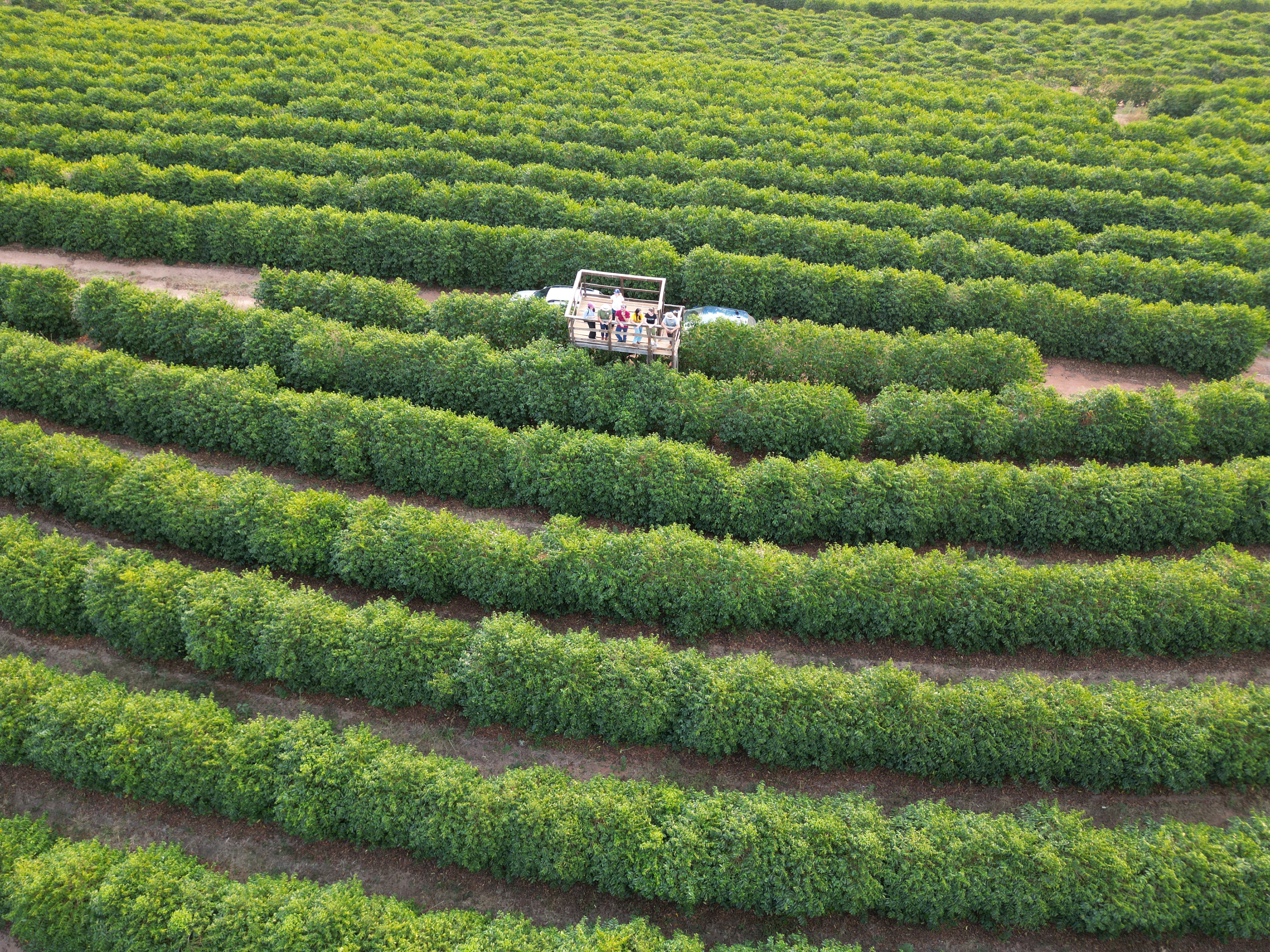
Projects
Removing plastic from our nurseries
 2019-2023
In Guatemala, our partnership with Starbucks is replacing plastic polybags with paper-based BioPegon® pots in nurseries. From 2019-2023, adoption rose from 1% to 66%– over 4.7 million trees grown withut plastic bags– with over 1/3 of seedlings now produced this way, enabling us to completely phase out polybags locally.
Discover more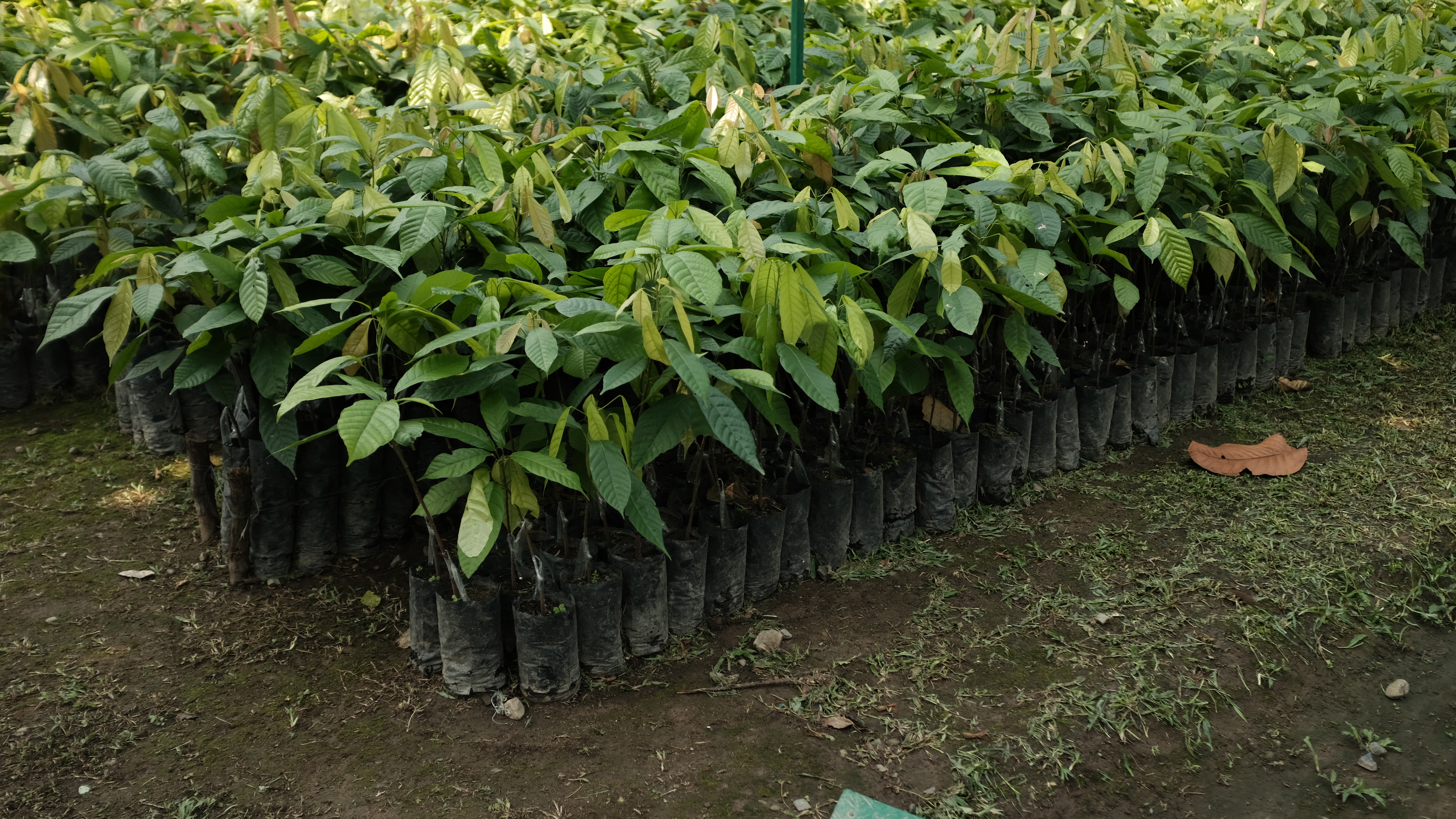
Projects
Reducing water in coffee processing
 2021-2023
In Colombia, through our Coffee Resource Positive project with Starbucks, we are introducing innovative water management practices. Water-efficient wet mills with zero wastewater use have been installed in 121 households, cutting water consumption in the coffee-washing process by 77%.
Discover more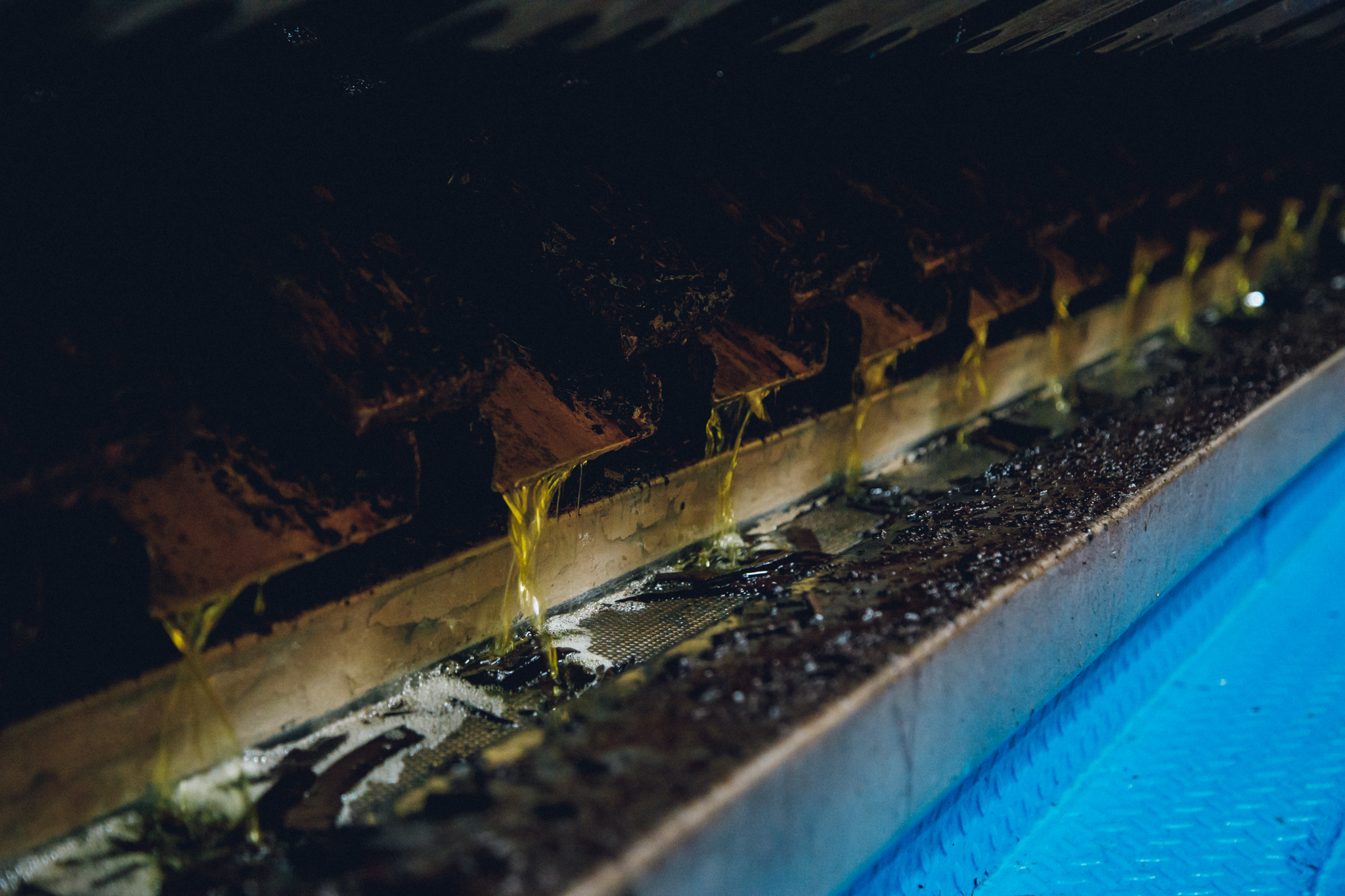
Projects
Assessing the impact of treated coffee wastewater
2019-2023
In the US, we partnered with Notre Dame University in Indiana to research groundwater simulations of our wet mills to assess wastewater impacts on river quality, and to explore new treatment strategies and modelling for small and artisanal mills.
Discover more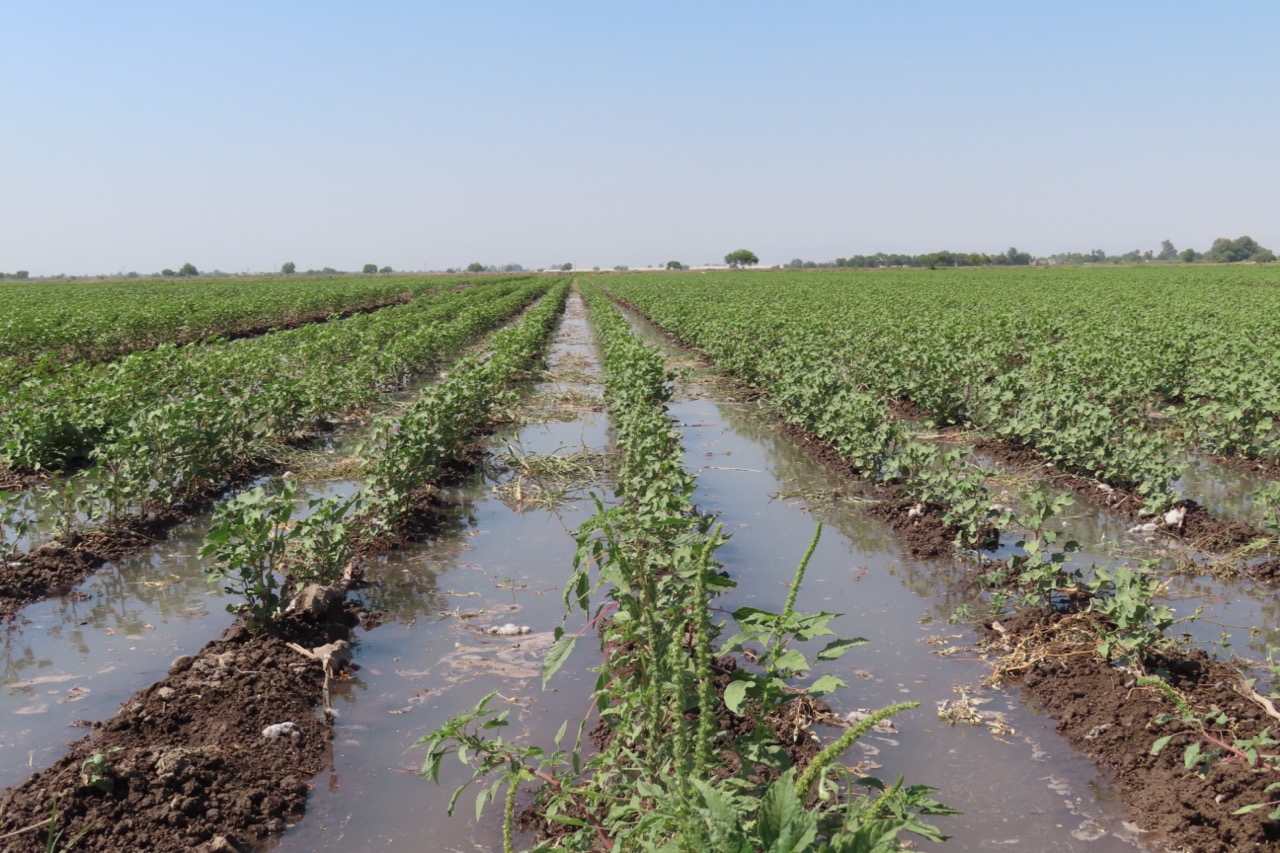
Projects
Access to clean drinking water
2016-Present
In Burundi, our Akawa Project is protecting and sanitising natural water sources. After assessing 36 sites nationwide, 20 water sources have been secured across nine hills and two washing stations, now providing 1,175 households with clean, safe water– with more to follow.
Discover more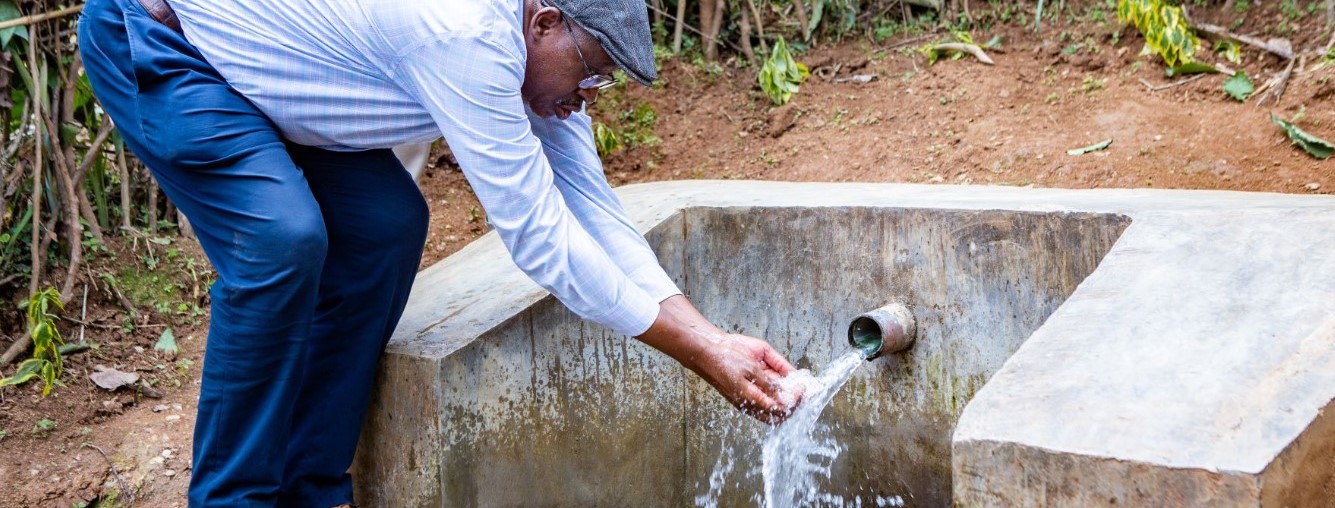
Projects
Future proofing supply chains
2023-Present
In Nigeria and Vietnam, ECOM has partnered with BanQu, a blockchain traceability platform that captures real-time, verifiable data even from remote farms.We will continue to roll out the programme in more of our cocoa and coffee-producing origins in 2025.
Discover more
Projects
Climate-smart cotton production
2023
In the US, our traceable, climate-friendly cotton project– backed by a US$30m USDA grant– supported 36 farmers in 2023 to produce nearly 15,000 bales despite drought. In 2024, enrolment grew to 150+ farmers across Texas, Arkansas, and Georgia.
Discover more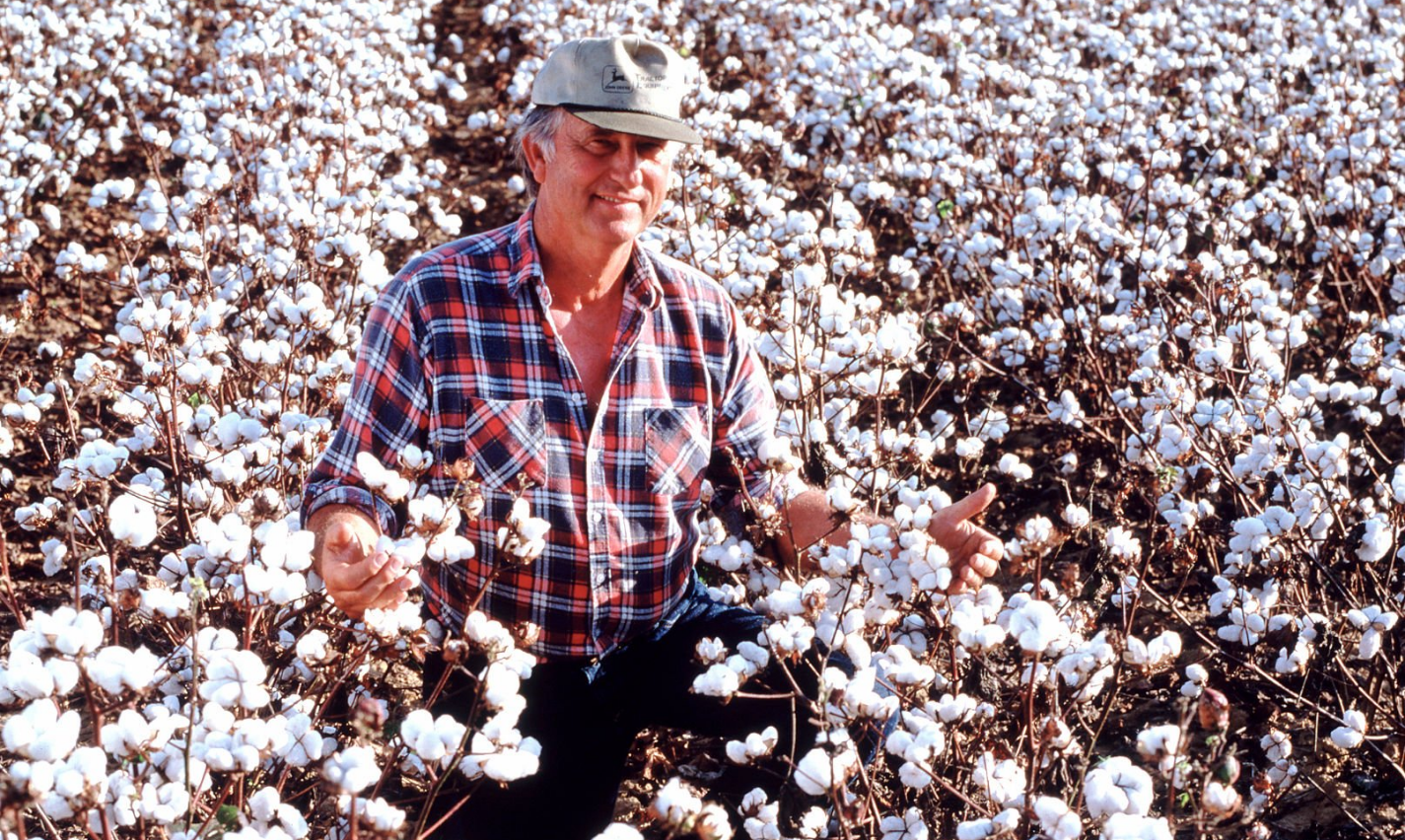
Projects
ECOM CASC
2023
In Mexico, ECOM’s Customer Care and Monitoring Centre (CASC) provides coffee farmers with remote access to technical support, seed and plant sales, market prices, and training opportunities. Over 1,200 growers now use CASC, which in 2023 logged 62,000+ interactions and launched a 24/7 WhatsApp smart chat for specialised coffee guidance.
Discover more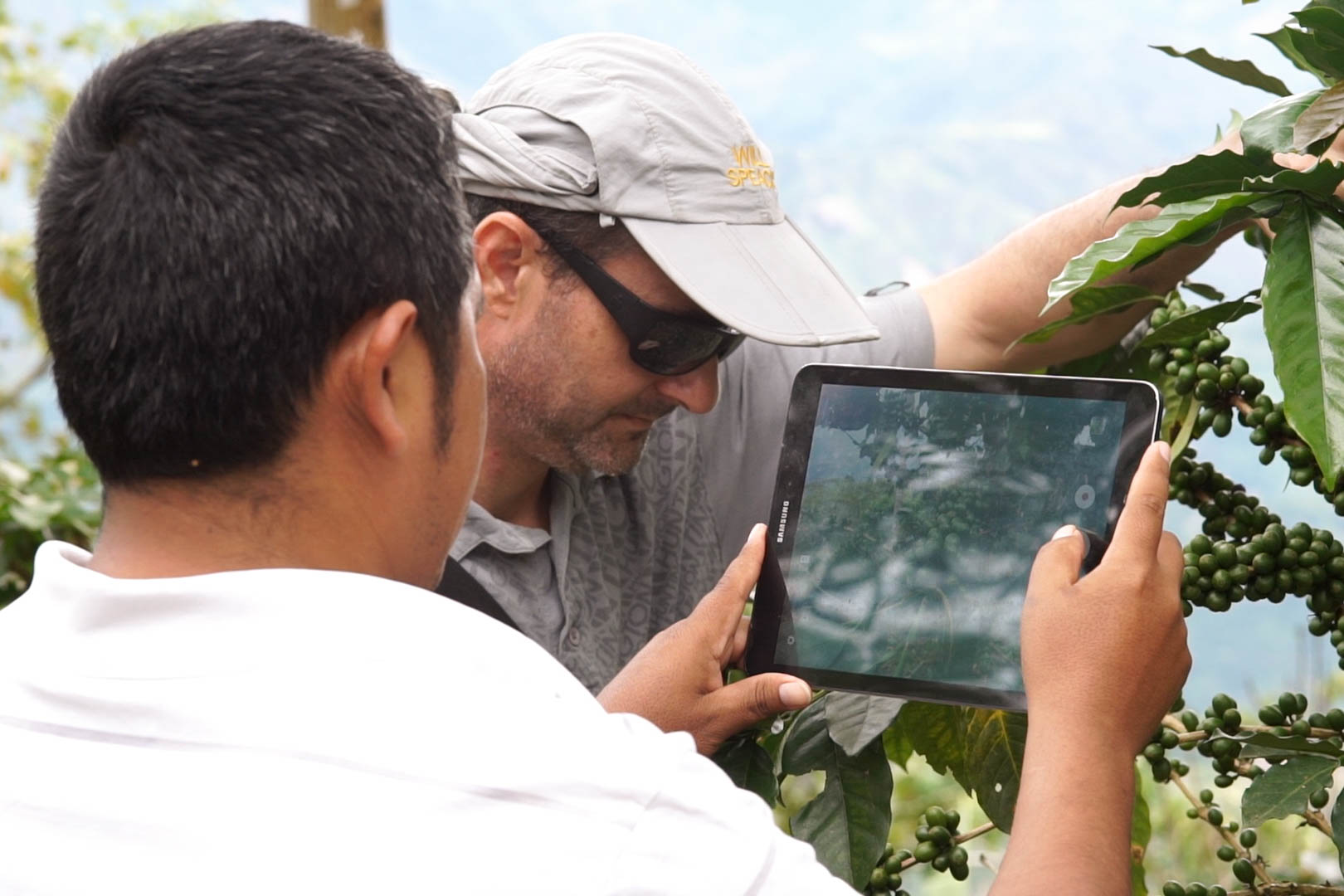

Approach and strategy
Our sustainability strategy
As one of the world’s leading soft commodity suppliers, with a customer base in over 75 countries, we have a tremendous opportunity to embed sustainable, ethical practices into our global supply chains.
Our strategic approach is informed by our most material topics, as defined through our materiality assessment, and is periodically updated.
This strategy is founded on three key pillars, each of which has a set of commitments. To meet our ambitions, we work closely with producers and other key partners throughout our supply chains to ensure everyone benefits from our efforts.
Our sustainability approach
Improving farmer and worker livelihoods
Empowering coffee-growing families in Colombia
In Colombia, our entity Condor works alongside the Swiss Foundation for Technical Cooperation (SWISSCONTACT) and the government of Colombia through the Colombia + Competitiva Programme, supported with resources from the Secretariat for Economic Affairs (SECO). The
programme aims to improve the competitiveness of Colombia's economy by diversifying its exports and strengthening the productive sector.
The success of this project reflects the dedication and resilience of coffee-growing families in Huila and Nariño. Through collaboration with Condor, local organisations and international partners, producers have strengthened their practices, improved coffee quality and accessed new market opportunities. The results achieved – rising incomes, higher-quality outputs and meaningful environmental progress – demonstrate the power of locally driven solutions supported by thoughtful partnerships.
Discover more
Protecting and regenerating nature
Sharing knowledge for cleaner water
ECOM participated in the 9th IWA Water Resource Recovery Modelling Seminar, held at the University of Notre Dame, Indiana, United States, in April 2024. This event brought together leading researchers and professionals to explore the latest advancements in wastewater treatment modelling.
The focus of the research was one of our specialty coffee wet mills located near San José in Costa Rica. The mill processes coffee using large volumes of water, producing acidic wastewater with high biochemical oxygen demand. This wastewater is treated in a pond system that relies on a complex combination of physical, chemical and biological processes that degrade contaminants naturally and meet environmental discharge standards.
Our research has modelled the pond’s behaviour, which helps guide operational best practices and improve the treatment system’s efficiency. The research highlights how natural treatment processes can be better understood and optimised using scientific modelling tools.
Managing change through transparency and traceability
Advancing markets for US cotton
ECOM is committed to developing long-term strategies that support the growth of sustainable cotton in a way that benefits all stakeholders across the value chain. In line with this vision, the Verde by ECOM programme was launched in 2023 with support from the US Department of Agriculture (USDA) and industry partners. This initiative focuses on delivering value chain innovation opportunities to US cotton producers and is underpinned by third-party certifications to ensure credibility and transparency.
The programme team had the opportunity in 2024 to implement the programme more broadly, reaching 161 US cotton producers managing the enrolled 150,000 acres from Arkansas, Georgia, Louisiana, Mississippi and Texas, representing just over 300,000 bales of regenagri certified traceable to the field level. To support growers, educational field days were held in Arkansas and Texas, gathering numerous cotton producers and programme team members.
Read more in our 2024 Group Sustainability Report on page 55.
Read more in our 2024 Group Sustainability Report
2024 Group Sustainability Report
ECOM Group Sustainability Report
As an origin-integrated business, ECOM invests from source to customer, maximising efficiencies and innovation throughout our network to create a more agile value chain.
The 2024 report covers our group-wide activities and achievements for 2024 and ambitions for the future.
Read our 2024 Group Sustainability Report here
Our Alignment
UN Sustainable Development Goals
ECOM has long recognized the importance of sustainability by embedding ethical practices into our operations and supply chains. Our group-wide strategic approach is informed by our most material topics - which can be found in our 2024 Group Sustainability Report - and addresses the creation of a more sustainable future across our commodities. This strategy aligns with several of the United Nations’ Sustainable Development Goals (SDGs), and we are dedicated to allocating our resources to achieve them in a timely manner.
ECOM operates within a complex landscape marked by diverse human rights and environmental challenges. Together with our partners, we are actively working toward achieving the SDGs outlined above. However, we recognize that our approach remains a work in progress, and we are committed to continuous improvement.
Please follow this link to the United Nations Sustainable Development Goals website to learn more about the SDGs.
The content of this publication has not been approved by the United Nations and does not reflect the views of the United Nations or its officials or Member States.